Gym Flooring
Showing all 3 results

Showing all 3 results
Rubber gym flooring is non-negotiable. Drop a barbell on timber floorboards or concrete and you’ll regret it fast — scuffed surfaces, cracked tiles, and noise complaints from everyone in the house. Quality gym floor mats absorb impact, reduce noise, and protect whatever’s underneath, whether that’s a garage slab, polished timber, or carpet.
Sam’s Fitness stocks rubber gym mats, interlocking gym floor tiles, astro turf, and foam options suited to home gyms, garage setups, and commercial gyms. Built tough. Priced to not hurt as much as leg day.
If you’re lifting any kind of weight or dropping equipment, you need flooring. End of story.
The two main problems gym flooring solves:
Power racks and multi-gyms sit more stably on rubber. Treadmills don’t slide. Dumbbells don’t gouge the floor when they get put down with any kind of energy. Rubber flooring solves all of this.
For a home gym, a couple of rubber mats under the equipment is the minimum. For a garage gym or dedicated training space, full coverage is the right move.
Not all gym flooring is the same. Here’s how to pick the right type for your setup:
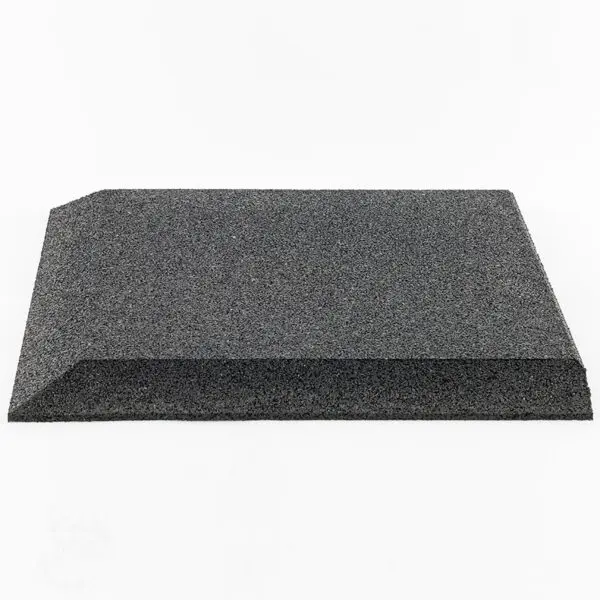
Best for covering large areas or oddly shaped spaces. Tiles lock together without adhesive, so you can reconfigure or take them with you if you move. Great for garage gyms where the floor isn’t perfectly flat. Mix and match with border pieces for a clean finish.
The go-to for most home gyms. Dense rubber absorbs impact, handles weight drops, and doesn’t compress over time the way foam does. Available in rolls or individual mats. If you’re doing any serious lifting — powerlifting, Olympic weightlifting, CrossFit — rubber is what you want under your feet and under your rack.
Thickness matters: 15mm handles standard home gym use. Go 20mm+ if you’re dropping heavy barbells from height.
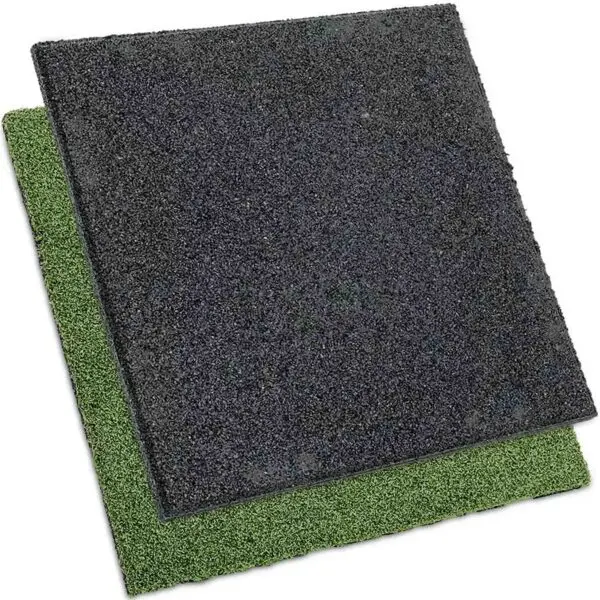
Designed for functional training zones — sled pushes, battle ropes, agility drills, loaded carries. The texture gives you grip for sled work without tearing up your footwear. Not the right call for your squat rack, but ideal as a dedicated turf lane in a larger space.
| Thickness | Best For |
| 15mm | Most home gym setups — free weights, machines, treadmills, rowing machines. The sweet spot. |
| 20mm | Heavy lifting, Olympic weightlifting, CrossFit. Handles drops from height. Also good over concrete for joint comfort. |
| 20mm+ / rolls | Commercial gyms, high-traffic spaces, dedicated lifting platforms. |
Most gym flooring installs in under an hour with no special tools.
On carpet: rubber flooring sits fine over carpet for equipment placement. It won’t bond as cleanly, and there will be some movement if you’re doing dynamic exercises, but for a home setup with a rack or machines it’s perfectly workable.
The reason I am discussing maintenance is because this is a factor when determining whether you need gym flooring. If your gym is in a shed which is accessed by unsealed paths, or your gym is open to the elements I would strongly advise against rubber gym tiles if you have a concrete floor.
Your fresh, shiny black gym tiles will soon go a dusty grey as the footprints and dirt accumulate on the surface. In an indoor environment rubber mats are easy to keep clean. Just give them a sweep or a vacuum to keep them clean. If there is a lot of sweat then get on your hands and knees with a mild detergent and give them a clean.
But if your gym is in a dusty/dirty environment give rubber gym tiles a miss. Sweeping a concrete floor is a lot easier than rubber tiles!

 What gym flooring is best for a home gym?
Rubber gym flooring — either rolls or interlocking tiles — is the best choice for most home gyms. It handles impact, protects the floor, reduces noise, and doesn’t degrade under heavy equipment. For most home setups, 15mm thickness covers everything from free weights to cardio machines. If you’re dropping barbells or doing Olympic lifting, go 20mm.
Do I need gym flooring over carpet?
Recommended, yes. Equipment sits more stably on rubber than carpet, which tends to compress unevenly and can cause machines to rock. Rubber mats over carpet also protect carpet fibres from being crushed by equipment legs. For heavy deadlifting, a solid mat stops barbells from damaging the carpet underneath.
How thick should gym flooring be?
15mm is the right call for a standard home gym. It handles free weights, machines, and treadmills without issue. Go 20mm if you’re doing heavy barbell work with drops, or if you’re on concrete and want extra cushioning for joint comfort.
Can you put gym flooring over concrete?
Yes, and it’s actually one of the best surfaces to put it on. Concrete is perfectly flat and hard, which means rubber sits stably. The flooring adds cushioning, reduces joint impact during training, and stops weights from chipping or cracking the concrete. No adhesive required for most setups — the weight of the equipment holds it in place.
What's the difference between rubber gym mats and foam gym mats?
Rubber is denser, heavier, more durable, and handles weight drops. Foam is lighter and cheaper but compresses under heavy equipment and won’t protect your floor from barbell drops. For any setup involving weights, rubber is the right choice. Foam works for yoga, pilates, stretching, and light bodyweight training only.
How do I clean rubber gym floor mats?
Brush or vacuum regularly to remove grit and dust. Mop with warm water and a mild all-purpose cleaner. Avoid bleach or harsh solvents — they break down rubber over time. For gym mats that see heavy sweat, a weekly mop-down keeps them hygienic. Rubber is naturally resistant to bacteria and doesn’t absorb odour the way foam or carpet does.
Is rubber gym flooring worth it for a garage gym?
Absolutely. Garage floors are usually bare concrete — hard, cold, and completely unprotected. Rubber flooring protects the slab from dropped weights, makes training significantly more comfortable for your joints, and stops equipment from sliding around on the smooth concrete surface. Interlocking tiles work well in garages because they’re easy to transport, install without adhesive, and can be reconfigured or moved.