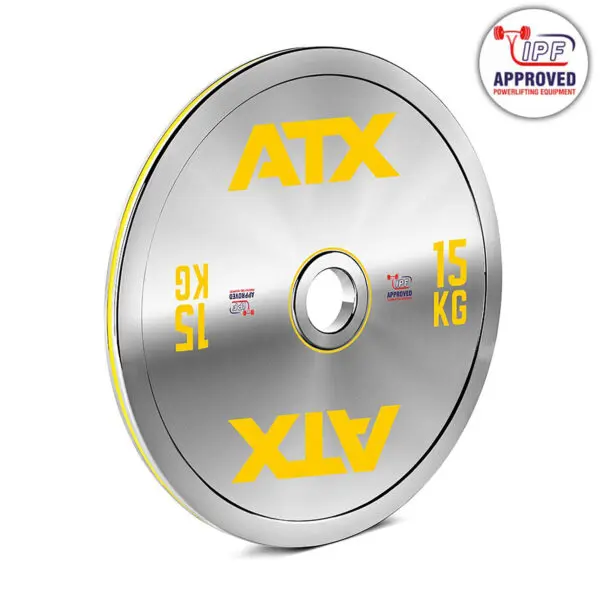
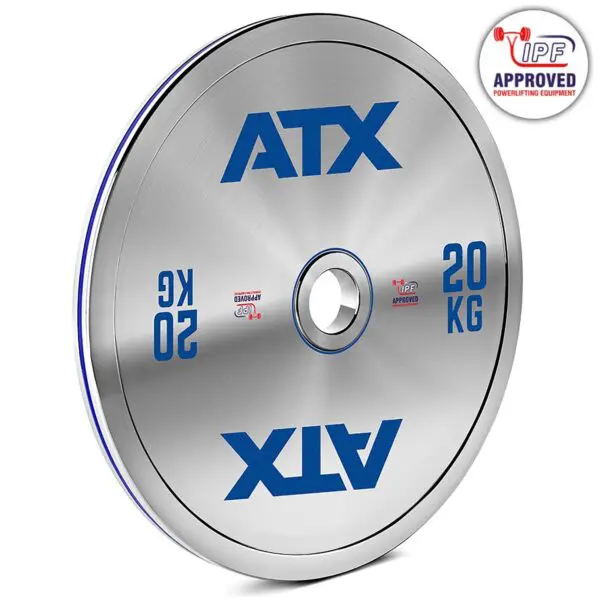
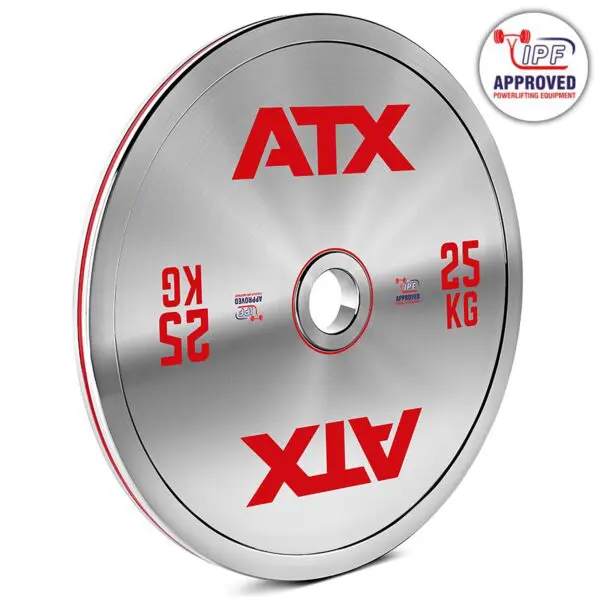
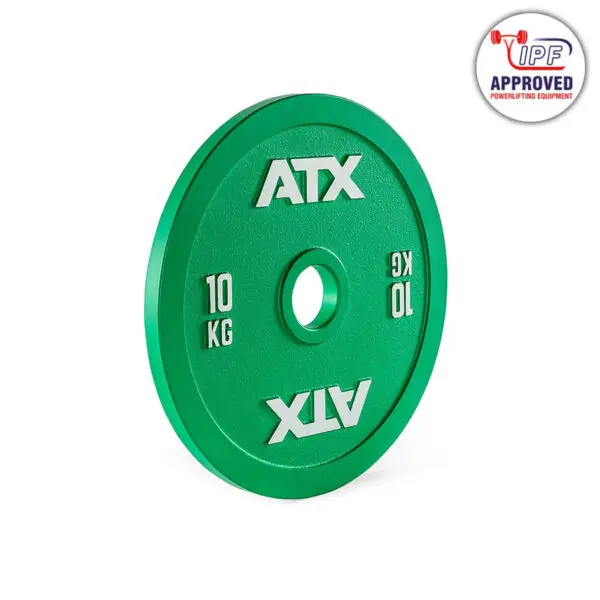
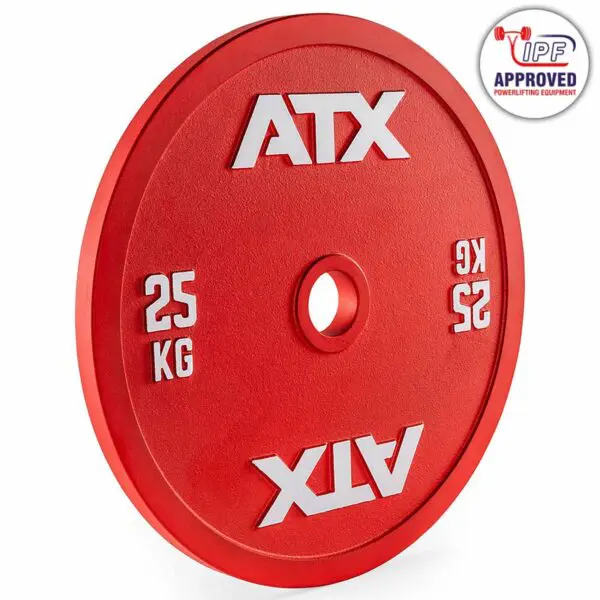
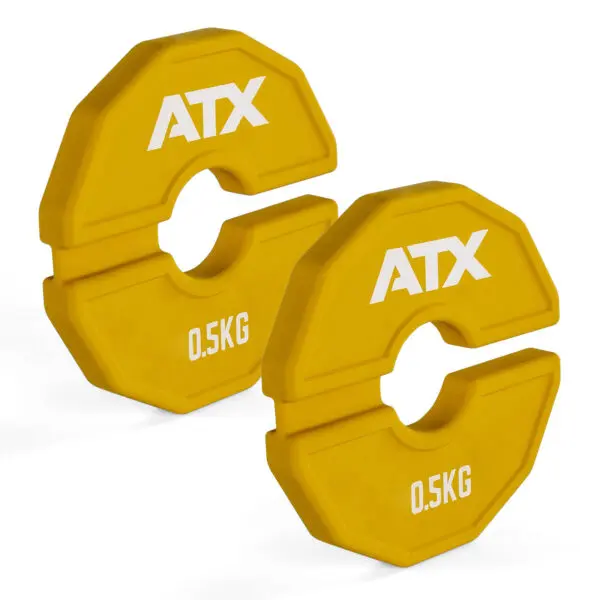
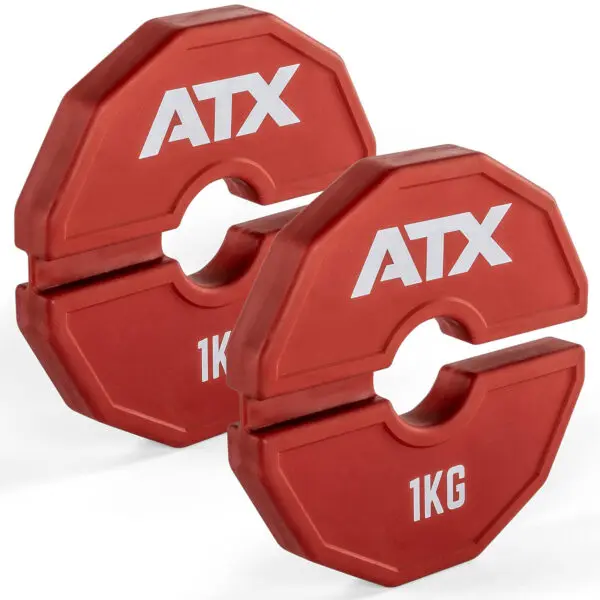
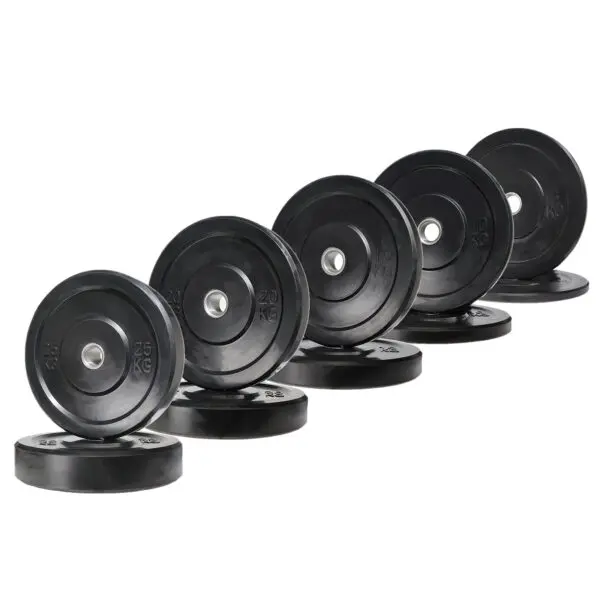
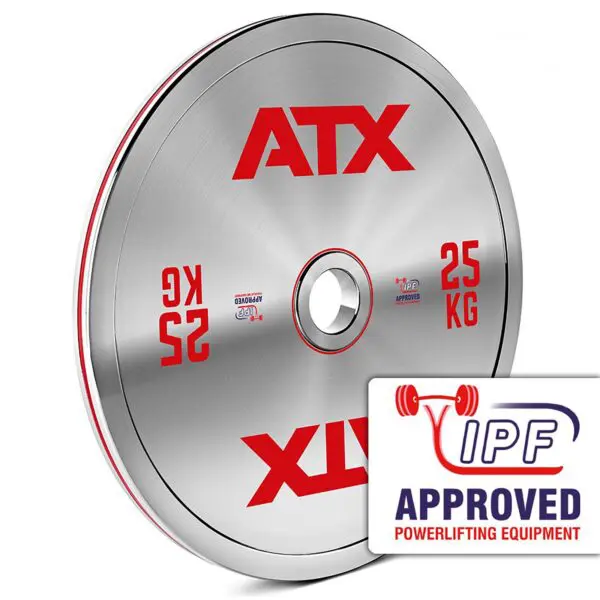
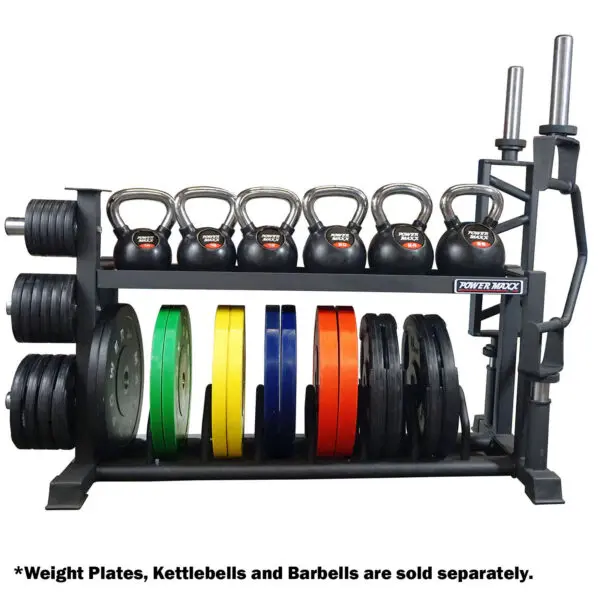
Whether building a home gym from scratch or adding to an existing setup, weight plates are the foundation of serious training. Sam’s Fitness carries from 20kg Olympic weight plates for the platform to fractional plates as light as 0.5kg for precision progression.
Every weight plate in the range is built to strict tolerances from cast iron, solid steel, and high-density rubber. These aren’t plates that crack after a year of use. They’re built to take drops, chalk, and decades of loading.
Benefits
Superior quality materials
Solid & sturdy construction
IPF & IWF specification
Minimal weight variance
Ergonomic design
How to Choose the Right Weight Plates
Not all weight plates are the same, and the wrong choice can mean buying twice. Here’s what actually matters.
Olympic vs Standard Weight Plates
Olympic weight plates have a 50mm centre hole, designed for 2-inch Olympic barbells. Standard weight plates have a smaller 28–30mm hole and fit 1-inch standard bars. If training with a proper Olympic barbell — which is the standard for home gym use — go Olympic. The fit is tighter, the loadings are safer, and the range of available plates is far wider.
Rubber vs Cast Iron Weight Plates
Cast iron weight plates are the classic choice — dense, compact, and long-lasting when kept dry. Rubber weight plates (sometimes called rubber-coated or bumper plates) protect floors and equipment, reduce noise, and survive accidental drops. For a home gym on a concrete or rubber floor, rubber-coated plates are worth the extra investment. For a commercial setup or platform-based lifting, bumper weight plates are the go-to.
Bumper Plates vs Regular Weight Plates
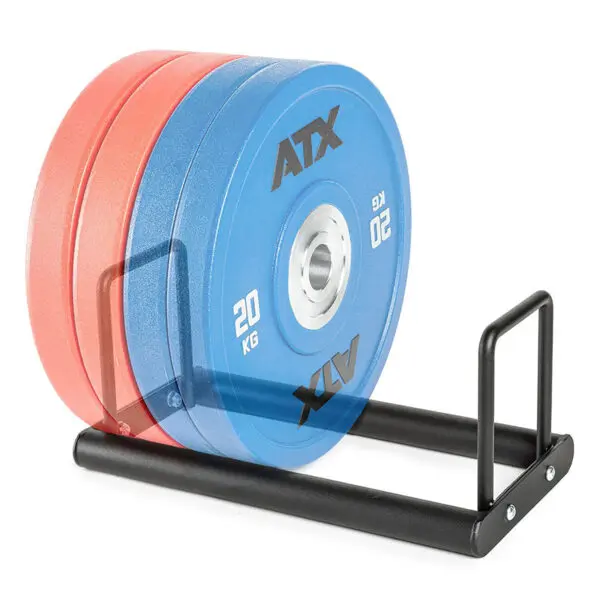
Bumper weight plates are built from solid rubber with a steel collar insert, designed to be dropped from overhead without damage — essential for Olympic lifting movements like the clean and jerk or snatch. Standard Olympic weight plates are not designed to be dropped repeatedly. If the program involves any Olympic lifts, invest in bumpers.
What About Fractional Plates?
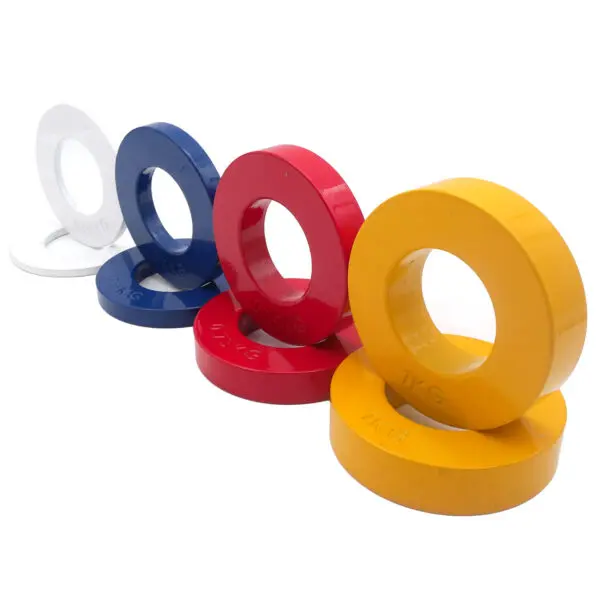
Fractional weight plates — ranging from 0.25kg to 1.25kg — are designed for progressive overload when standard 2.5kg jumps become too large. Serious intermediate and advanced lifters consider them essential. They’re particularly useful on pressing movements where even a 2.5kg jump each side represents a big relative increase.