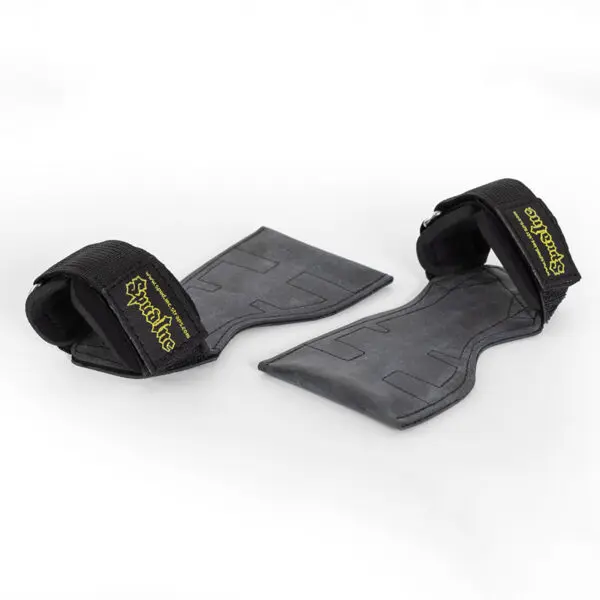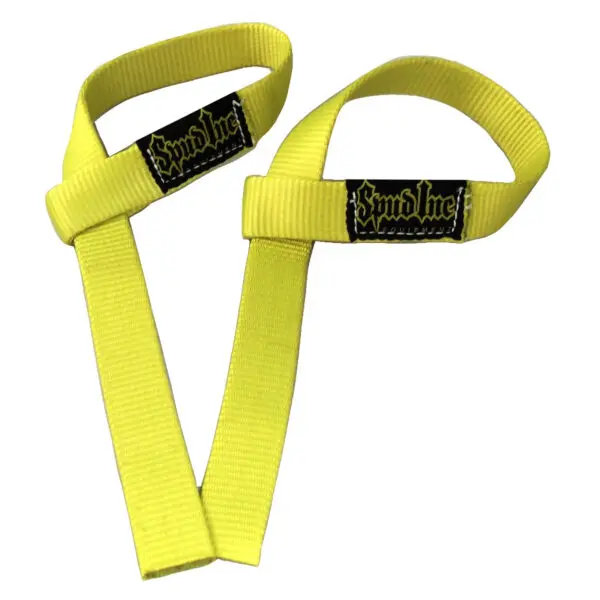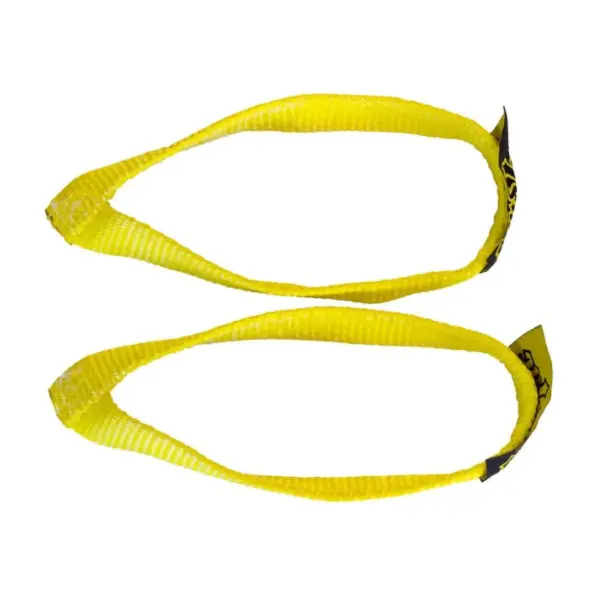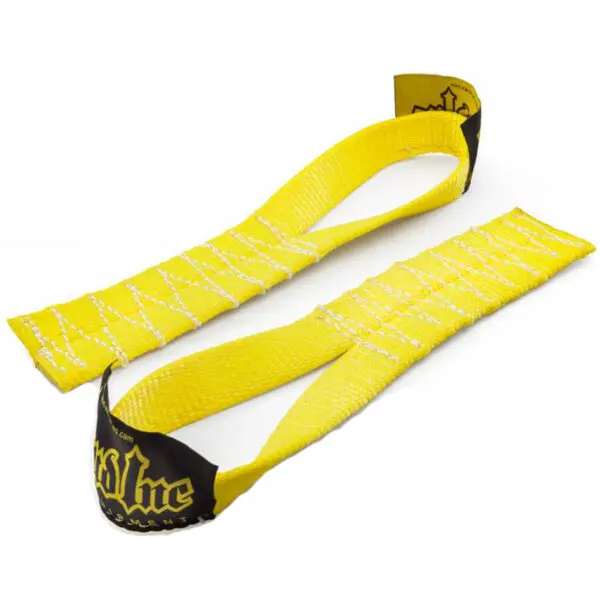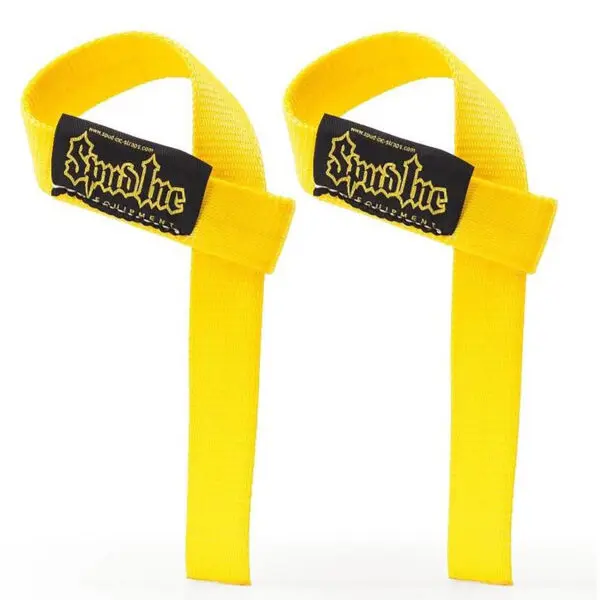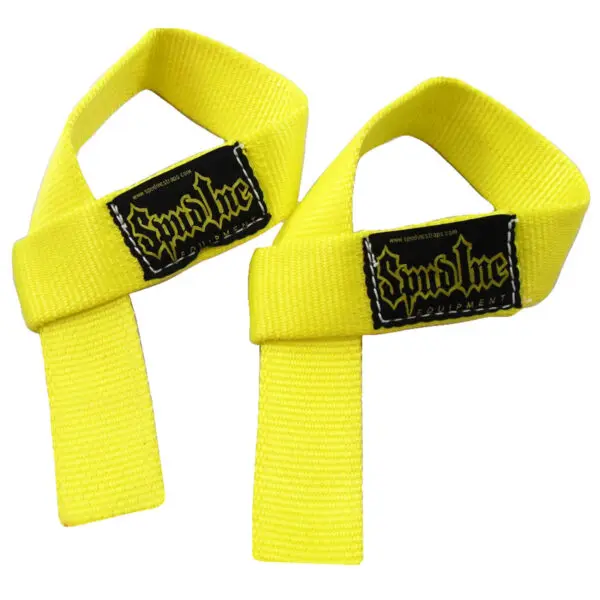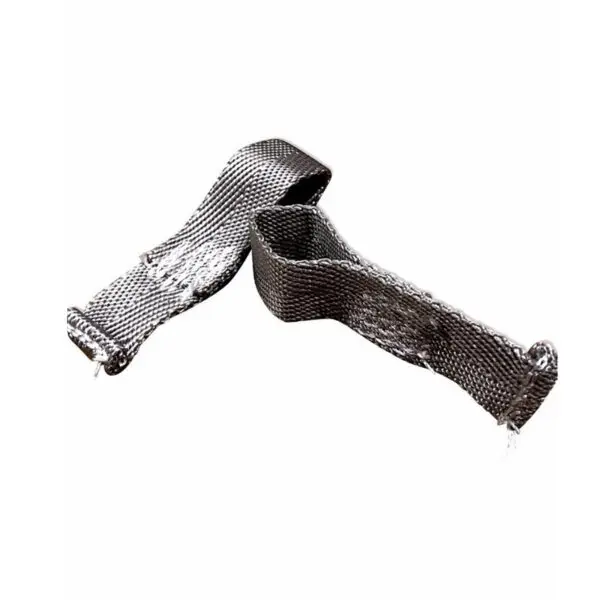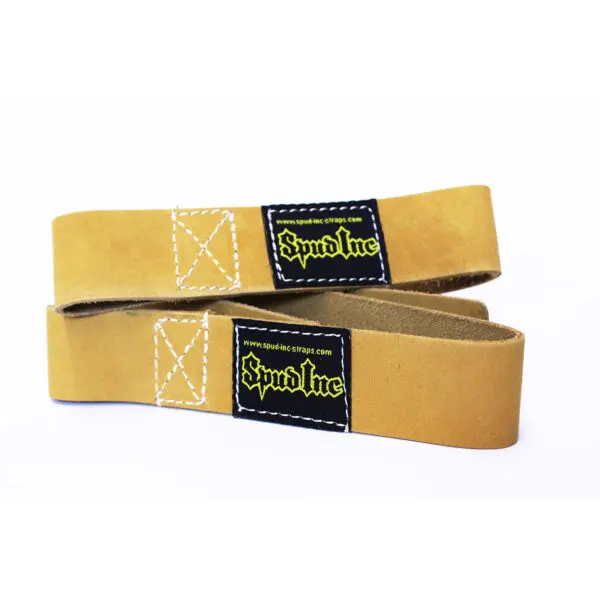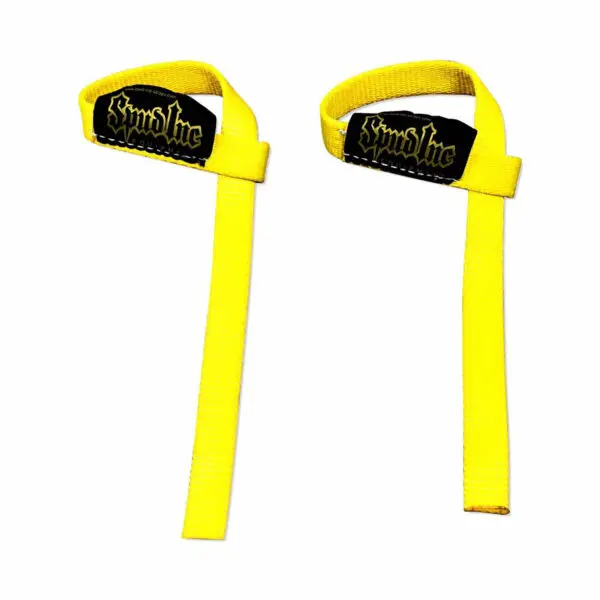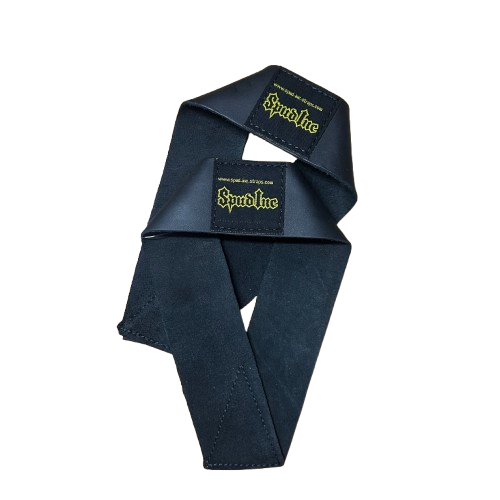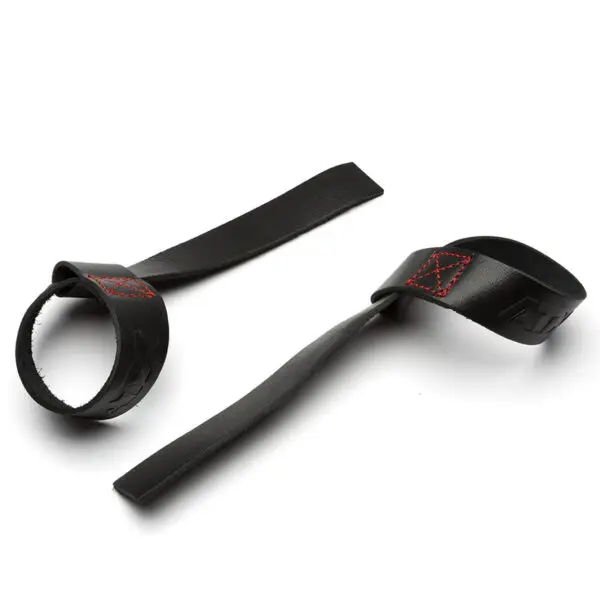
Blast through your PBs & finish those last reps even though your grip strength dwindles. Easy to wear & remove, these user-friendly straps are the perfect accessories to assist you so you can continue lifting those heavy weights.
Benefits
Offers improved grip
Heavy duty cotton-based webbing
Non-slip material
Easy fit & adjustment
Reduce hand and finger fatigue
What are Weight Lifting Straps?
Weight lifting straps are fabric or leather loops that connect your wrist to the barbell. They work by wrapping around the bar and your forearm, creating a mechanical advantage that allows you to hold heavy loads without relying entirely on hand grip strength. This lets your grip muscles rest while your back, shoulders, and legs do the work—which matters when you’re pulling seriously heavy weight or doing high-rep sets where grip endurance becomes the limiting factor.
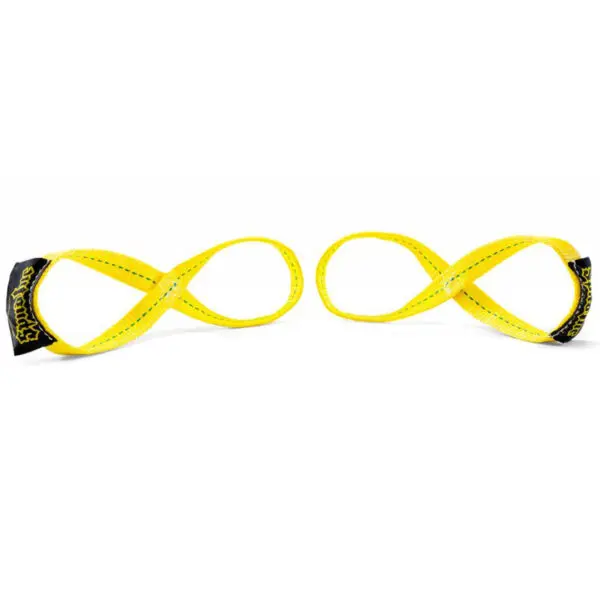
There are several types: wrist straps (cotton webbing, basic), figure-8 straps (doubled loop design, best for rows), and Olympic leather wraps (premium durability, competition-grade). Most experienced lifters own at least two types for different movements. Think of straps as the difference between leaving gains on the bar and actually taking them off the rack.
Why You Need Lifting Straps
Better Technique Focus – Without grip as a limiting factor, you can focus on form, tempo, and actual muscle engagement instead of just holding on.
Improved Grip Endurance – Handle heavier weight for longer, pushing through fatigue without hand fatigue limiting your sets. Build back strength without grip becoming the bottleneck.
Reduces Finger and Hand Fatigue – Transfer grip demand to your forearms, keeping hands fresh for competitions or high-volume training sessions where cumulative fatigue matters.
Frequently Asked Questions
How do I use weight lifting straps correctly?
Wrap the strap around your wrist, then loop it under and around the barbell. Your grip should be secure but not cutting off circulation. For deadlifts, aim for a snug wrap—you want no slipping. Most lifters take 5–10 seconds to set up. Don’t wrap too tight; you need blood flow to your hand.
How tight should my straps be?
Tight enough that the strap doesn’t slip during a rep, but not so tight that your hand starts going numb or tingling. You should be able to fit one finger under the strap at your wrist. If you feel pins and needles, loosen it.
Do I need different strap types for different exercises?
Not necessary, but it helps. Wrist straps are versatile across deadlifts, rows, and lat work. Figure-8s are overkill for light exercises but essential for heavy shrugs and rack pulls. Leather wraps are competition-specific but work for any heavy movement.
Start with one type (wrist straps) and upgrade to figure-8s if you’re hitting truly heavy shrugs or rack work.
Can I use straps for all exercises?
Use them for compound pulling and heavy loaded movements (deadlifts, rows, lat pulldowns, shrugs, farmer carries). Skip them for isolation work (dumbbell curls, tricep extensions, lateral raises) where grip development actually matters. Straps are tools for moving heavy weight, not replacements for hand strength.
What's the difference between wrist straps and figure-8 straps?
Wrist straps: Single loop around your wrist and the bar. Simple, versatile, good for most lifts.
Figure-8 straps: Two loops (one around your wrist, one below your palm). Locks in place better, transfers more load to your forearm, best for ultra-heavy work like 500+ lb deadlifts or shrug max-outs.
If you’re not sure, start with wrist straps. Most lifters use those 80% of the time.