
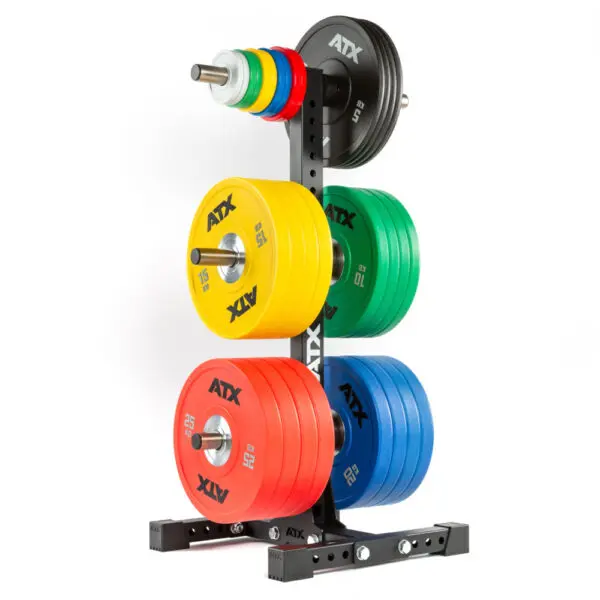
Featured Products
-
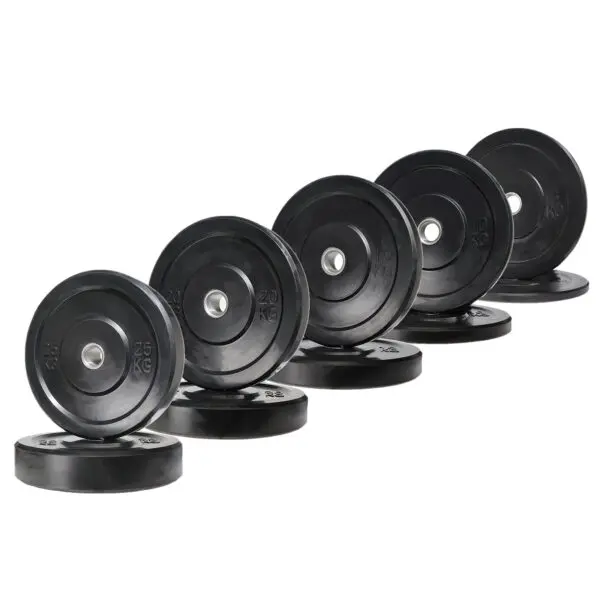
150kg Black Olympic Bumper Weight Plate Set
$660.00Pre-order now -
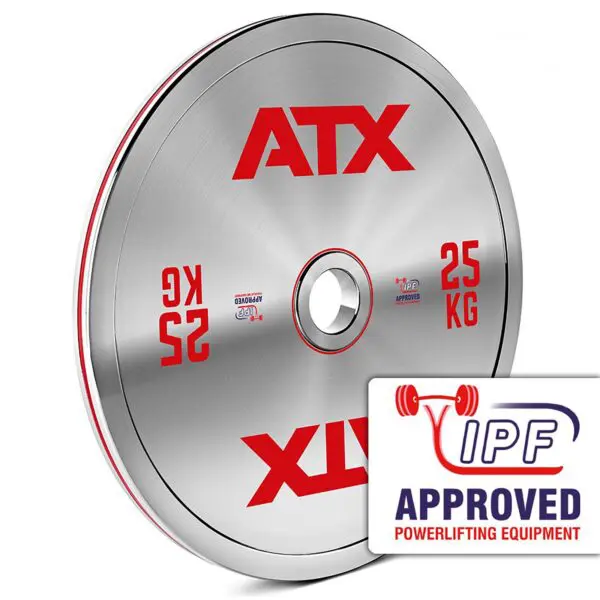
ATX® Chrome Powerlifting Plates
Price range: $60.00 through $215.00View products -
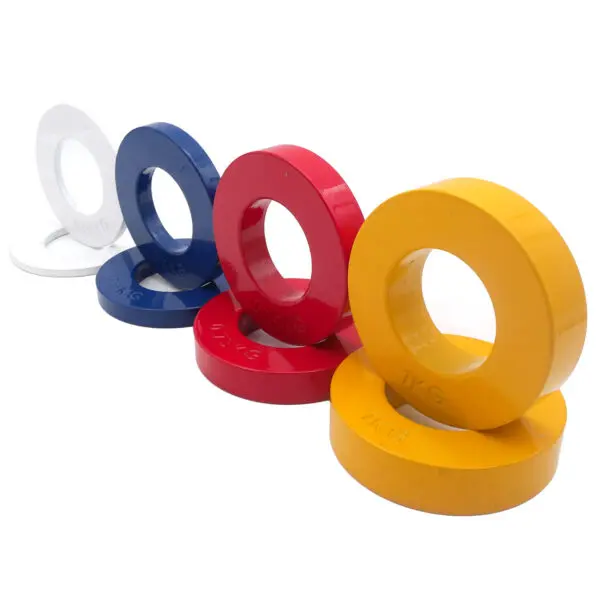
Power Maxx Olympic 5kg Fractional Plate Set
$55.00Add to cart -
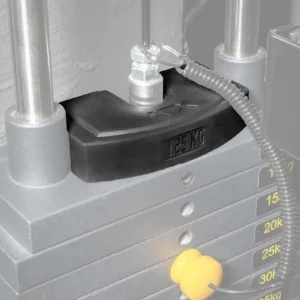
ATX® 1.25kg Add On Weight
$16.00Add to cart -
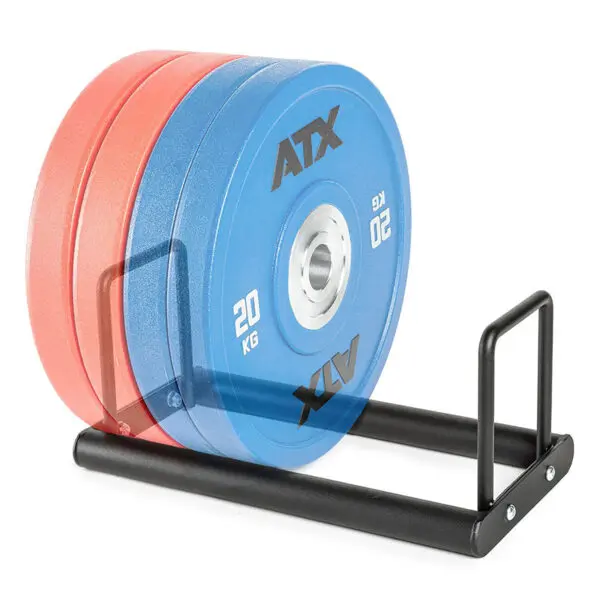
ATX® Easy Bumper Plate Storage
$79.00Add to cart -
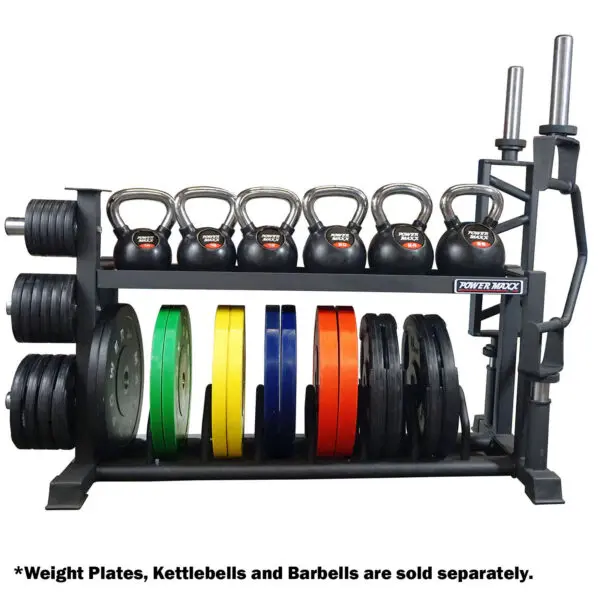
Power Maxx Bumper & Barbell Rack
$385.00Add to cart
Weight Plates
Whether building a home gym from scratch or adding to an existing setup, weight plates are the foundation of serious training. Sam’s Fitness carries from 20kg Olympic weight plates for the platform to fractional plates as light as 0.5kg for precision progression.
Every weight plate in the range is built to strict tolerances from cast iron, solid steel, and high-density rubber. These aren’t plates that crack after a year of use. They’re built to take drops, chalk, and decades of loading.
Benefits
- Superior quality materials
- Olympic (50mm) & standard (28mm) hole sizes
- IPF & IWF specification
- Minimal weight variance
- Ergonomic design
How to Choose the Right Weight Plates
Not all weight plates are the same, and the wrong choice can mean buying twice. Here’s what actually matters.
Olympic vs Standard Weight Plates
Olympic weight plates have a 50mm centre hole, designed for 2-inch Olympic barbells. Standard weight plates have a smaller 28–30mm hole and fit 1-inch standard bars. If training with a proper Olympic barbell — which is the standard for home gym use — go Olympic. The fit is tighter, the loadings are safer, and the range of available plates is far wider.
Rubber vs Cast Iron Weight Plates
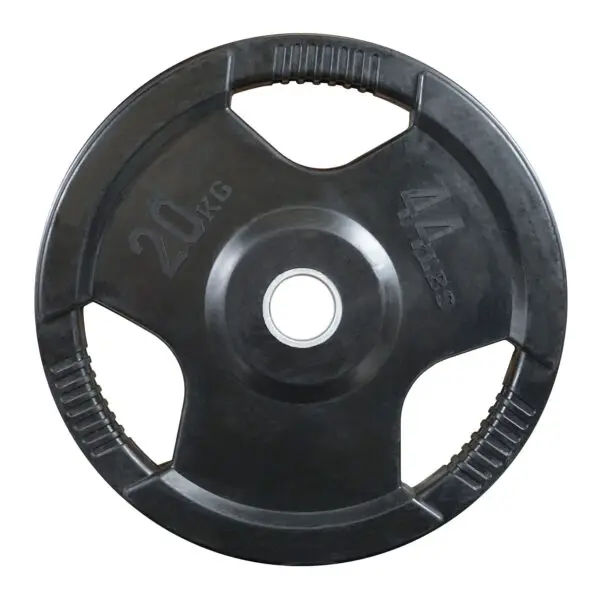
Cast iron weight plates are the classic choice — dense, compact, and long-lasting when kept dry. Rubber weight plates (sometimes called rubber-coated or bumper plates) protect floors and equipment, reduce noise, and survive accidental drops. For a home gym on a concrete or rubber floor, rubber-coated plates are worth the extra investment. For a commercial setup or platform-based lifting, bumper weight plates are the go-to.
Bumper Plates vs Regular Weight Plates
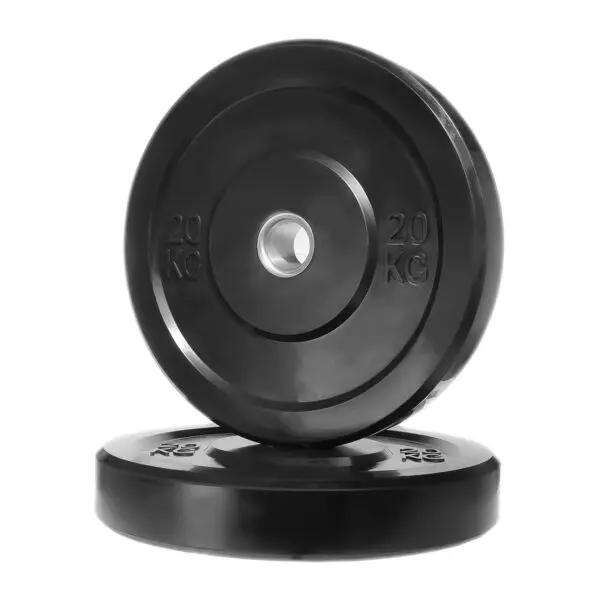
Bumper weight plates are built from solid rubber with a steel collar insert, designed to be dropped from overhead without damage — essential for Olympic lifting movements like the clean and jerk or snatch. Standard Olympic weight plates are not designed to be dropped repeatedly. If the program involves any Olympic lifts, invest in bumpers.
What About Fractional Plates?
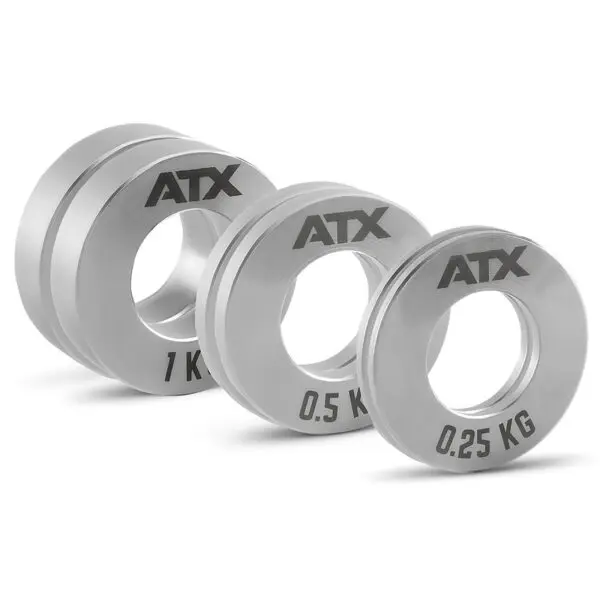
Fractional weight plates — ranging from 0.25kg to 1.25kg — are designed for progressive overload when standard 2.5kg jumps become too large. Serious intermediate and advanced lifters consider them essential. They’re particularly useful on pressing movements where even a 2.5kg jump each side represents a big relative increase.
What Size Set to Buy?
A solid starter set for a home gym covers:
- 2 × 20kg plates
- 2 × 10kg plates
- 2 × 5kg plates
- 2 × 2.5kg plates
- 2 × 1.25kg plates
That gives enough range for most beginner-to-intermediate programs without overcrowding the rack.
Frequently Asked Questions

 Cast iron vs rubber bumper vs powerlifting plates — which do I need?
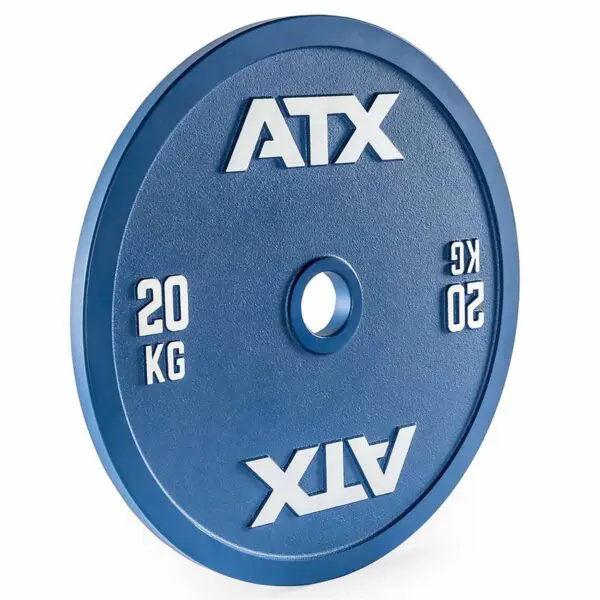
Cast iron / rubber-coated plates are the cheapest per kg and great for general training where you don’t drop the bar. Bumper plates are rubber-encased and designed to be dropped from overhead — required for Olympic weightlifting and CrossFit. Powerlifting (calibrated) plates are thinner and precisely weighted — only needed if you compete in IPF powerlifting. For most home gyms: rubber coated plates are fine. If you do CrossFit or Olympic lifts: bumpers. If you compete: calibrated.
How many plates can fit on a 7-foot Olympic barbell?
It depends on plate thickness. Standard rubber coated cast iron 20 kg plates are about 45 mm thick — you can stack 9 per side (380 kg total including the bar). Standard bumper plates are 80 mm — you can stack 5 per side (220 kg total). Calibrated powerlifting plates are 19.2 mm — 9 per side (380 kg total). The sleeve length on most ATX and Power Maxx Olympic bars is 415 mm.
What are weight plates made of?
Most weight plates are made from cast iron, solid steel, or rubber. Higher-end plates use urethane (polyurethane) for superior durability and a cleaner look. Budget plates are often vinyl-coated or concrete-filled — generally not recommended for regular training use.
What is the difference between standard and Olympic weight plates?
Standard weight plates have a smaller hole (around 28–30mm) for standard 1-inch barbells, which are common in older or entry-level setups. Olympic weight plates have a larger 50mm hole that fits modern 2-inch Olympic barbells. Olympic plates are the current industry standard for home gyms and commercial facilities.
How much weight do I need to start?
For most beginners we recommend starting with 115kg total: 4× 20kg, 2× 10kg, 2× 5kg, 2× 2.5kg, plus collars. This covers everything from light warm-ups to a 135kg bench/squat (with a 20kg bar). As you progress, add 2× 25kg or another pair of 20kg plates.
How to clean rubber weight plates?
Wipe rubber weight plates down with a damp cloth and mild soap solution. Avoid harsh solvents or alcohol-based cleaners, which degrade rubber over time. Dry thoroughly after cleaning. For
plates used outdoors or in high-humidity environments, check regularly for moisture under any label or sticker.
How to clean rust off weight plates?
For cast iron weight plates showing surface rust, scrub with a stiff wire brush or steel wool, then coat lightly with WD-40 or a thin machine oil to prevent further oxidation. For heavier rust, soak in white vinegar for 24 hours, scrub, rinse thoroughly, then re-coat with oil. Rubber-coated plates are significantly more resistant to rust.
Are all Weight Plates the Same?
No. Weight plates differ in hole diameter (Olympic 50mm vs standard 28mm), material (cast iron, rubber, urethane), construction quality, and tolerance accuracy. IPF/IWF competition-spec plates are manufactured to tighter weight tolerances than budget plates — the difference matters at competition but less so for general training.