 Squat Rack vs Power Rack: Which is Better?
Affordability? Check. Compact footprint? Check. Flexibility? Check. These features shared by the squat rack and power rack make them among the most popular gym equipment in both commercial and home gyms. They also help explain why many gym owners are confused about which of these two equipment they should invest in.
The bottom line with squat racks vs power racks is this: neither is universally superior. The right choice depends entirely on your training goals, available space, and budget. Whether you’re kitting out a home gym, garage setup, or commercial facility, this guide will break down everything you need to make the right call.
Squat Racks
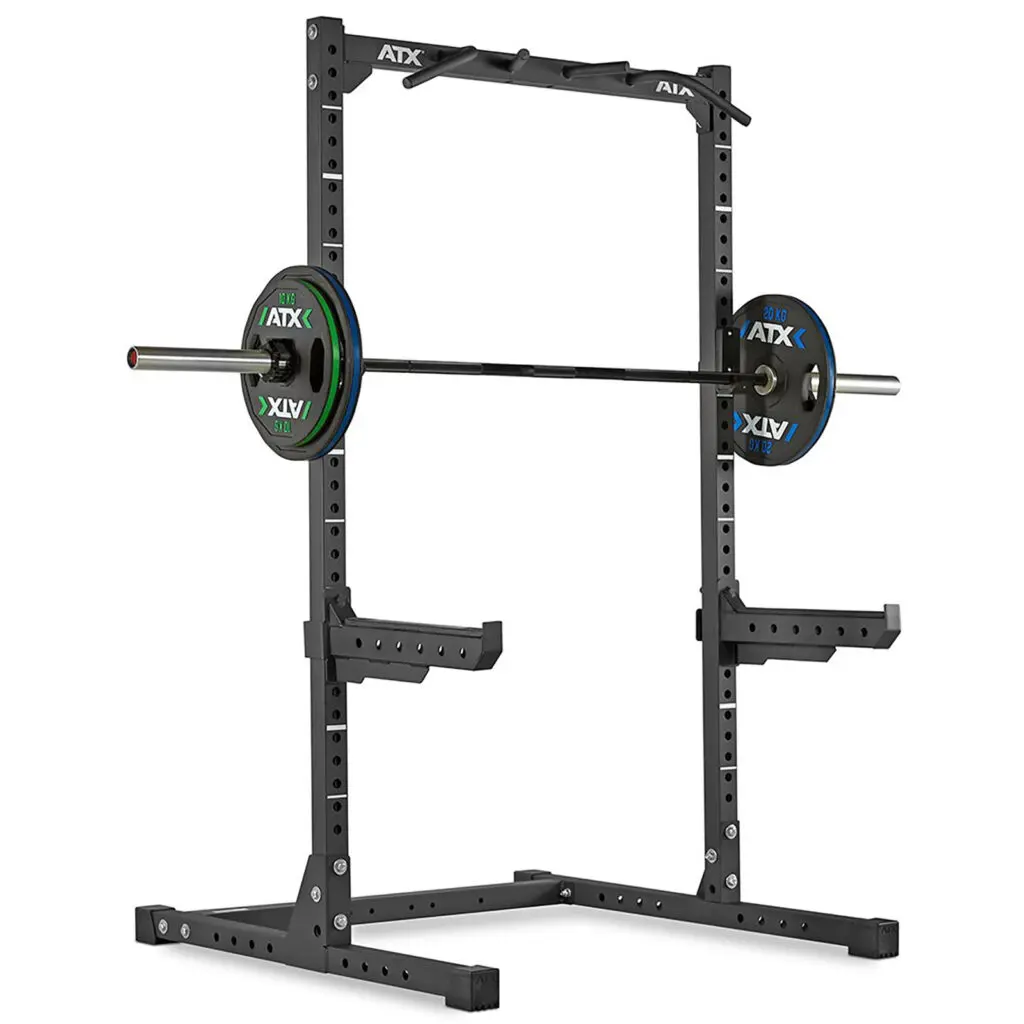
A squat rack (also called a squat stand) is a compact piece of equipment designed to help you load and position a barbell for squats and upper-body pressing exercises like bench press and overhead press. It features two upright metal posts on each side and hooks, or arms, that support the barbell.
Power Racks
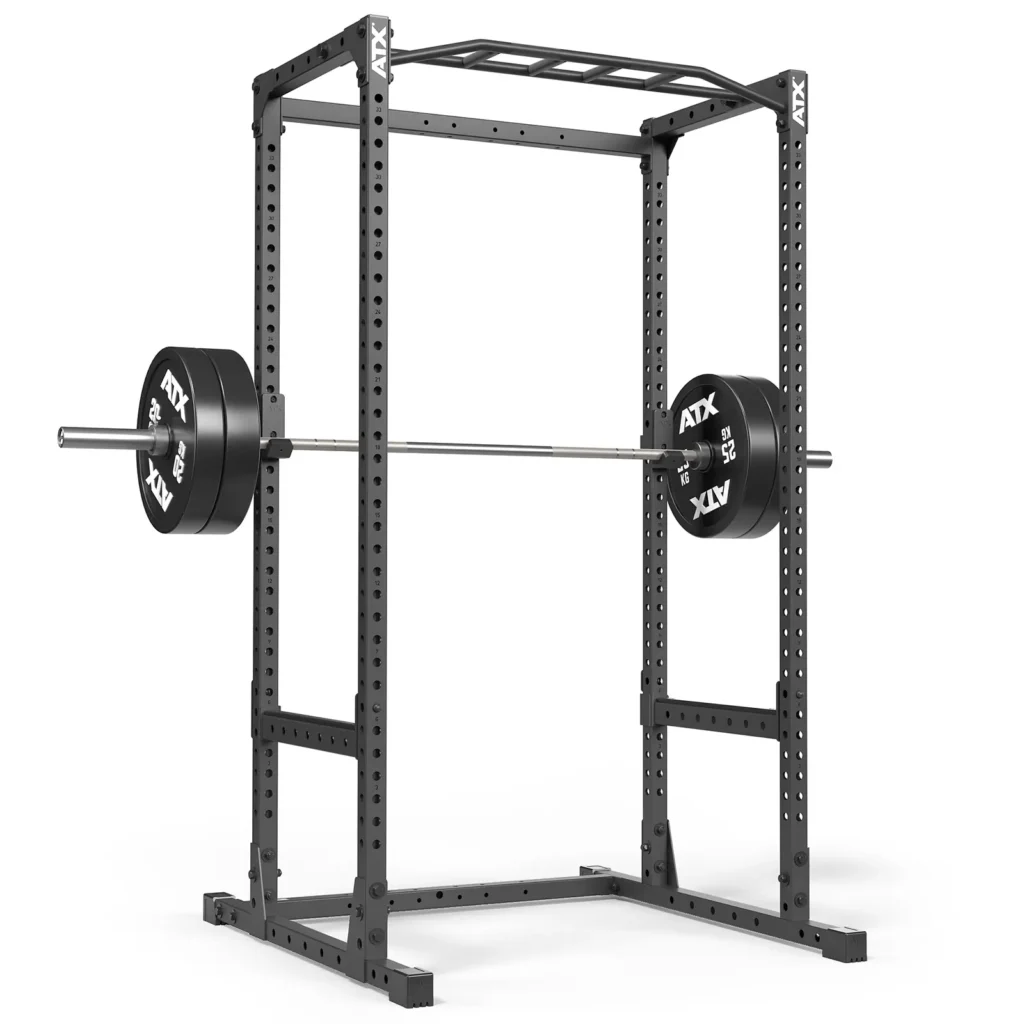
Power racks go by various names — power cage, squat cage, full rack — and are popular among serious athletes, advanced weightlifters, and powerlifters. They are a cage-like metal structure made of four vertical posts connected by horizontal crossbars that support the weight horns for weight plate storage. You can perform a wider variety of exercises on a power rack compared to a squat rack: the bench press, lateral pulldown, chin-ups and dips, and more.
Let’s dive right into the key advantages of each so you can decide which is the right rack for you.
Squat Rack vs Power Rack: Key Comparisons
Cost and efficiency ratio
If you are on a tight budget, we recommend getting a squat rack instead of a power rack. Squat racks cost a fraction of the price of a power rack because there are less materials involved in building it. Also, the exercises that you can perform on a squat rack are less than a power rack.
Power racks come with a higher price tag due to more engineering, labour, and materials involved in their construction. A power rack also offers more exercise variety, though — so you get plenty of value from the investment. High-quality power racks from reputable manufacturers will give you many years of use with their awesome features and guaranteed stability.
Verdict: Squat racks are the more budget-conscious option for home gym owners, but the added versatility of a power rack makes it a great long-term investment — especially if you plan to expand your training or need multiple users to use the same rack.
Size and Space
Squat racks are very compact and require less space than power racks, which makes it very ideal for home and small gyms with low ceilings. There are also wall mounted squat racks that fold away easily when not in use, saving you more precious gym floor space.
On the other hand, a power rack is a massive gym equipment that requires a minimum of 10 square feet of space and a ceiling height of at least 7 feet high. Power racks are best for gyms with plenty of space to spare, otherwise, you (or your customers, if you are a studio or commercial gym owner), may have a difficult time moving around your gym with this enormous rack installed.
Verdict: Gym owners working with a limited space and low ceiling height may find squat racks (whether it is the traditional or wall mounted design) to be more viable than power racks. But if you have enough space in your gym to fit a power rack, we recommend getting a power rack instead.
Installation
Given its compact structure, a squat rack is not only cost-efficient but also easy to set up and install. Compared to a power rack, a squat rack has fewer parts and is far easier to assemble.
A power rack is a more complex piece of equipment to install. It is larger in size and will have more parts to assemble. You will need a little bit of time and the right tools to get a power rack up and running.
Verdict: Squat racks are easier and faster to set-up than power racks because they have less parts (2 upright posts compared to 4 of a power rack). If you need to set up your gym within a limited amount of time, squat racks are ideal. But if you have more time on your hands, and don’t mind screwing more nuts and bolts, we recommend choosing a power rack.
Versatility
Squat racks offer great versatility when it comes to your strength training routine. They allow you to perform bench press and squat variations, accommodating a squat rack — but it can be difficult, as most squat racks can only accommodate a barbell.
Power racks allow you to be more creative with your strength training. You can use it with other types of fitness gear like ankle weights, gymnastic rings, chin up and dip attachments, lat tower, and a bench, to name a few.
Verdict: If you are looking for an equipment that offers a high level of flexibility, a power rack will not disappoint. Once the proper attachments have been installed, power racks can function like a multi-gym and target different muscle groups of your body. But if your workout routine revolves around squats and bench presses only, then a squat rack would suffice for your needs.
Safety
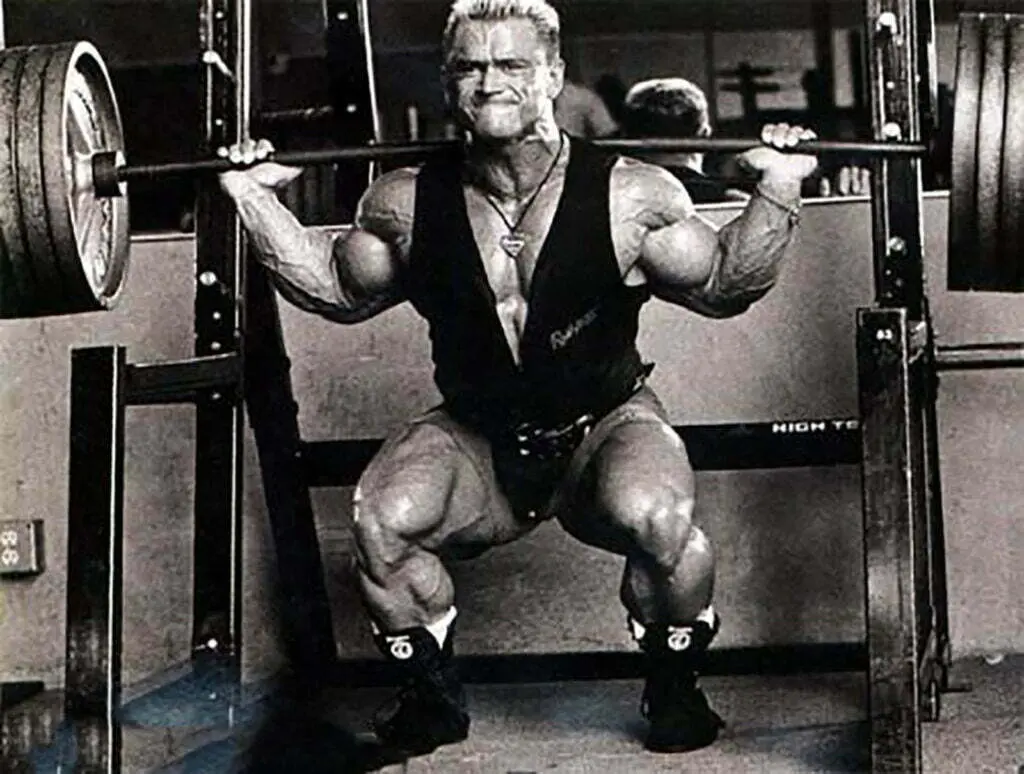
High-quality squat racks and power racks are both built with safety of both the user and team in mind. If you are training by yourself however, a power rack may give you more peace of mind: the safety bars ensure you never have to worry about dropping the weight on yourself or your floor (watch out for the floor below points). It is essential to set up the safety bars correctly when using a power rack — refer to your product manual and look for instructions on the website for the manufacturer’s guidelines.
A power rack offers a higher level of safety for solitary trainers who train alone. You don’t need a spotter while doing your bench press, deadlifts, or squats as a power rack accommodates the use of safety pins or straps that will support the weight regardless of what happens.
Verdict: Both squat racks and power racks from reputable manufacturers undergo stringent testing to ensure they are safe for domestic or commercial use. If you are looking for a gym equipment that delivers maximum safety and minimum risk for injury, a power rack is your best bet. If you have a team of spotters who can work safely with you, a squat rack will be just fine.
Maintenance
The squat rack and power rack both require the use of a cleaning agent and cloth to keep it looking brand new for years in your gym. Due to the larger size of a power rack, you need to spend more time and effort in cleaning it compared to cleaning a squat rack.
Verdict: Both are easy to clean, but expect a little more cleaning effort and time to clean the larger-framed power rack.
Squat rack or Power rack? Our Verdict
A power rack provides more flexibility and safety for those who train alone. It usually comes at a steeper price and takes up more space than a squat rack.
If your budget and space allow it, we recommend choosing a power rack over a squat rack for the long-term. The higher cost will be worth it once you see just how many types and variations of exercises you can perform on a power rack. A quality power rack also holds its resale value well.
Just make sure you choose a power rack from a reputable manufacturer to ensure it will last long. A durable and safe power rack from a reputable brand will always outlast a poorly made power rack that can’t even hold up a barbell.
Quick Decision Guide: Which Rack Is Right for You?
Choose a Squat Rack if you:
- Are on a tight budget
- Have limited space (studio, small garage, or want a folding/wall-mounted option)
- Primarily train squats, bench press, and overhead press
- Prefer a quick, simple setup
- Have access to a spotter
Choose a Power Rack if you
- Train solo and want built-in safety bars
- Want a multi-gym setup with attachments (pull-up bar, cables, dip bars, lat pull down)
- Are an intermediate-to-advanced lifter focused on progressive overload
- Want a long-term investment that covers your entire strength training program
Frequently Asked Questions
A squat rack is an open two-post structure designed primarily for squats and pressing movements. A power rack (or power cage) is a fully enclosed four-post cage with safety bars and more attachment points, giving you a greater variety of exercises and built-in spotter-free safety.
Yes — if you have the space and budget, a power rack is one of the best investments for a home gym. It supports a wider range of exercises, includes safety catches so you can train alone safely, and can be expanded with attachments like pull-up bars, cable systems, and dip bars.
Absolutely. Squatting is one of the most common uses of a power rack. The safety pins mean you can squat to full depth without worrying about failing a rep dangerously, making it ideal for solo lifters pushing for new personal bests.
A half rack (or half power rack) is a compromise between a squat rack and a full power rack. It has two upright posts with safety arms at the front and a stabilising bar at the rear, giving you more safety than a squat rack while taking up less space than a full cage.