 Breaking Down the Powerlifting Physique
There’s a lot of talk about the body of powerlifters. Many people wonder why these blokes have big bellies and don’t fit the toned, gym-rat stereotype. Aside from their distinct physique, competitive powerlifters are also distinguished by their strict adherence to form.
In this article, I will share with you the form of competitive powerlifters during their bench press, squats, and deadlifts. Afterwards, I will break down the physique of competitive powerlifters and the exercises they do to strengthen their body.
The Right Form for Powerlifting
Bench Press
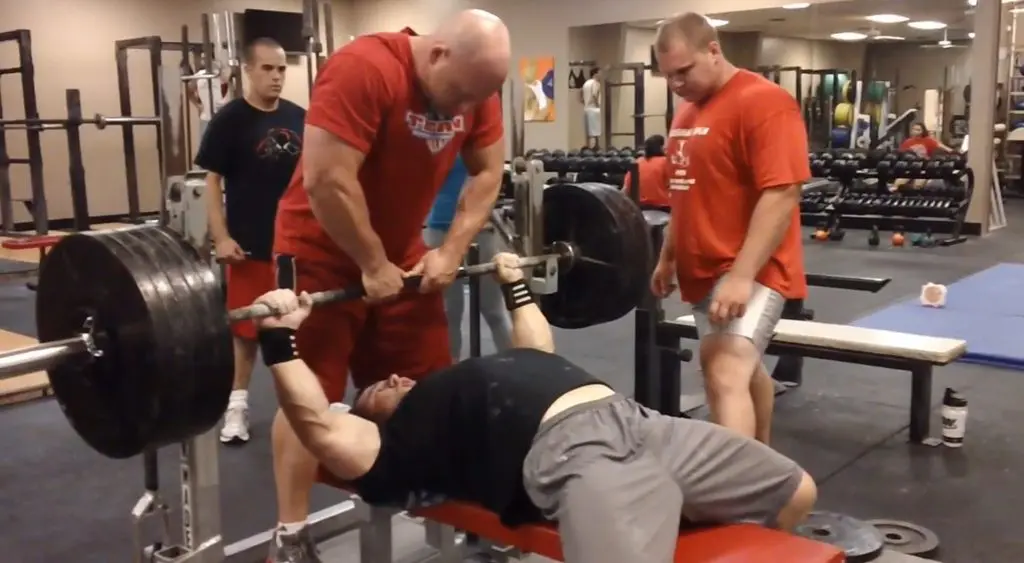
When setting himself up for the bench press, Garrett keeps his feet up on the bench, arches his back, digs his traps into the bench, and finally plants his feet on the floor. Digging his traps into the bench press weight bench allows Garrett to get a huge arch on his back, so he can crank out the heaviest possible lift.
Garrett also takes in a huge breath just before the spotter hands him the barbell. He says doing this “gets everything tight and ready to bench.”
If there’s one bloke who can give you tips on the proper form for bench press, it’s competitive powerlifter Garrett “Gunz” Griffin.
He keeps his elbows tucked in as he lowers the bar to his “sweet spot” – the lower part of his chest. Doing so helps him drive the weight up correctly without making unnecessary adjustments midway through the lift. He also maintains a big arch during the bench press so he can lift more and stabilise his shoulder joints.
Squats
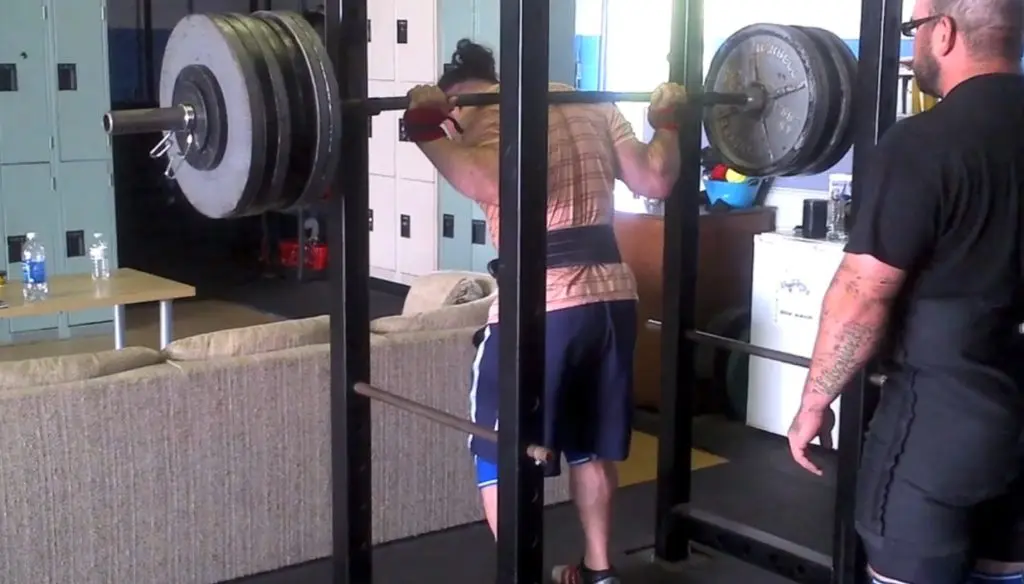
Canadian powerlifter Jay Nera likes to drive his elbows down and squeeze his shoulders so he doesn’t bend his spine during squats. Bending your spine not only increases the risk of an injury but also decreases power during your lift.
Place the bar where it won’t move around during your squat. For Jay, he likes to place the bar behind his rear traps and on top of his rear delts—that’s his comfort zone. Find yours.
The same principle applies to foot placement. Position your feet in a way so the bar doesn’t roll around or jerk you forward. If a wide stance lets you achieve both goals, stick to it.
Just like Garrett, Jay likes to take a deep breath before his lift. For Jay, doing so helps create pressure so he maximises his squat.
Jay also encourages squatters to quit focusing too much on their knees during the lift. Instead, they should focus their mental energy on standing up since that is the primary goal.
Deadlifts
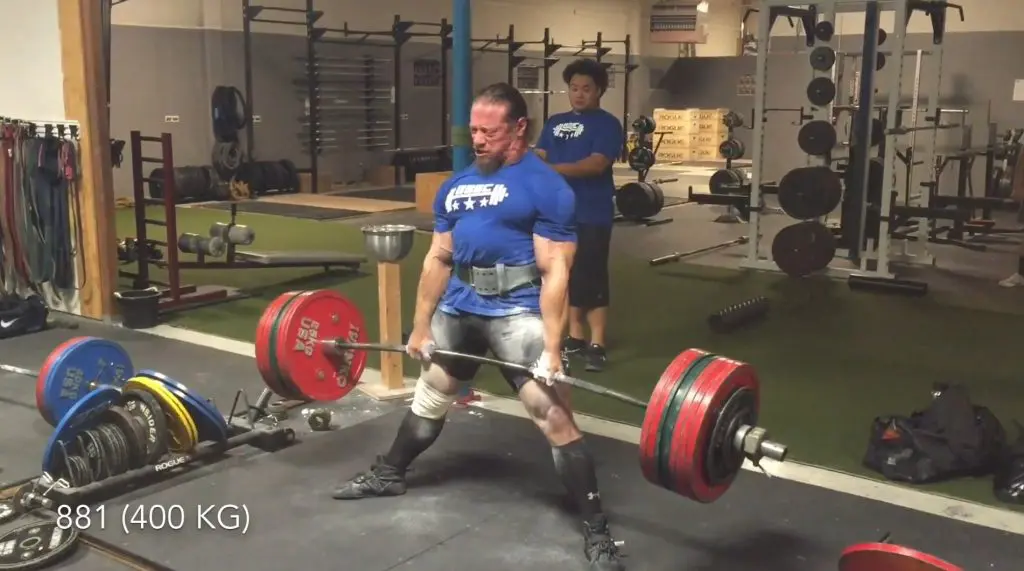
Our final powerlifter, Dan Green, echoes the sentiments of the previous two: never underestimate the importance of breathing before your lift.
Taking in a deep breath and bracing your core just before you execute a deadlift stabilises your lower spine and allows you to generate maximum power. In terms of grip width, grab onto the parts of the bar where your arms hang down naturally.
Dan also urges lifters to imagine pushing their feet through the floor so you maximise your leg drive and, consequently, lift the bar up to your knees.
At this point, you should do two things: lock your knees forcefully so you stabilise your hips and lift the bar to its maximum height. You should also pull your chest up so you engage your spinal erectors, maximise your pull, and crush your lift.
The Physique of a Powerlifter
Let’s get one thing straight: powerlifters are not fat. They are bulky. They need to bulk up for them to be able to do their lifts without their body failing them.
In this section, I’ll break down the different body parts that powerlifters use to complete their lifts and how they condition and strengthen these body parts.
Shoulders
A powerlifter must have strong shoulders so he can lift an insane number of weight plates in the bench press. Bear in mind elite male powerlifters typically lift more than three times their body weight for this movement. So, if you weigh 75kg, you’re expected to lift 225kg—not a mean feat by any stretch!
Strong shoulders allow a powerlifter to push through the bench press during mid-range. If you have weak shoulders, you might give out during the middle of your rep. You definitely don’t want that to happen during competition time.
The best exercises for stronger shoulders include:
- Barbell shoulder press
- Barbell push press
- Dumbbell shoulder press
- High incline barbell bench press
- Wide grip seated row
Chest
Powerlifters must also have strong chests so they can withstand the heavy resistance during the bench press competition. To accomplish this goal, they should lift near their max resistance with few reps. So if your maximum lift for the bench press is 150kg, you need to aim to lift close to this weight every time you train your chest.
Here are the best exercises for chest strength:
- Bench press
- Reverse grip press
- Chest dips
- Pushups: regular, suspension, and weighted versions
- Dumbbell press
Back
A strong back is a must for powerlifters. Why? A weak backside plus poor form equals disaster in the form of an injury or failed rep! Veteran powerlifters recommend a combination of compound and isolation movements to strengthen your back.
Powerlifters also suggest doing vertical (up and down) and horizontal (side to side) pulling movements so you work your entire back. Good vertical pulling exercises include:
- Wide-grip pullups
- Chin-ups
- Lat pulldowns
- Single arm lat pull-ins
- Barbell upright rows
Ideal horizontal pulling exercises include:
- Wide grip seated row
- Barbell bent-over row
- Inverted bodyweight row
- Single arm dumbbell row
- Hammer strength row
Arms
Having big and strong triceps will help you lift heavier in the bench press. In the bigger scheme of things, strong arms help increase a powerlifter’s stability and improve grip strength.
Exercises which strengthen a powerlifter’s triceps include:
- Overhead dumbbell extensions
- Rolling dumbbell extensions
- Skullcrushers
- Reverse-grip cable pushdowns
- Tate presses
Strength-building movements for the biceps include:
- Cross-body hammer curls
- Barbell curls
- Reverse-grip thick bar curls
- Barbell or dumbbell spider curls
- Preacher Curl Machine
Core
Powerlifters don’t train their core so they could flaunt chiseled abs! Instead, a strong core helps improve lifting technique, strengthen primary muscle groups, increase base support under the barbell, mobility, and balance; and prevent injury. Clearly, a strong core means everything in powerlifting!
Some of the best core exercises for powerlifters include:
- Front squat lockout holds
- Reverse crunches
- Front planks
- One-arm farmer’s walks
- Body saws
Legs
Weak legs have no place in powerlifting. How can you squat 300kg if your legs aren’t up to the task? You simply can’t.
The end goal of training your legs for powerlifting is to maximise your squats and deadlifts—you involve more of your quads in the former while you target more of your hamstrings in the latter.
Strong legs also help you produce more power and leg drive during the bench press competition. When your legs are strong, you can transfer more force from your legs to the barbell.
The best leg exercises for powerlifting include several varieties of the squat and deadlift:
- Barbell squats
- Front squats
- Box squats
- Barbell deadlifts
- Romanian deadlifts
- Sumo deadlifts
Powerlifting Pillars: Right Form, Good Strength
The proper form plus a strong body equals success for any aspiring powerlifter. Throw in perseverance, determination, and consistency, and you’ll be well on your way to getting the results you want from your powerlifting workout.
Want to know what’s the difference between Powerlifting and Bodybuilding? Check out this article.
Interested in starting out in powerlifting? Check out this beginner powerlifting program.
Don’t know if you need a belt for powerlifting?