 Using and Choosing the Right Weightlifting Belt
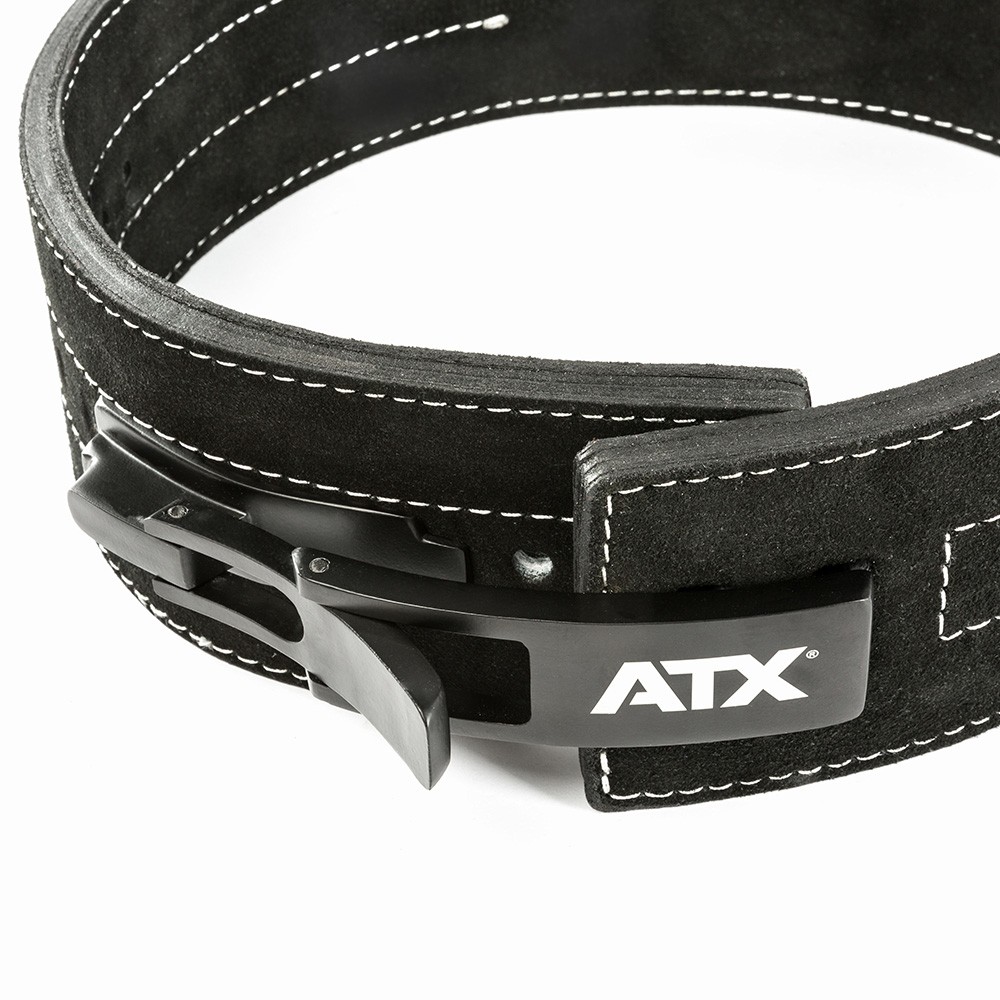
Using and choosing the right weightlifting belt will depend on the desired purpose. If you are serious lifter lifting serious weights you should know which belt to use. Lifting serious weights requires years of training and accumulation of knowledge.
The people who are not sure which weightlifting belt to choose – I am not referring to brands rather styles like powerlifting belts – are the ones that need assistance.
Do Weightlifting Belts Prevent Injuries?
A mistake people make is that they believe they will protect their back from injury if they train with a belt. Wearing a belt does increase stability around your core and could prevent injuries while training. However unless you want to wear a weightlifting belt all the time, you could be exposing yourself to injuries outside the gym.
As the belt stabilises your core, you are not activating the muscles that support your core when not wearing a belt. You are getting stronger in the gym and now feel confident to move your couch or gym. Or it may be just picking up a really heavy bag of shopping in one hand. This is when injuries occur.
My advice to the average lifter, unless they have been advised by a trained professional, is to ditch the belt for the majority of your training. Practice training with textbook form using lighter weights. Once the form is nailed, then start adding weight. Keep the rep range 8-10 or above.
Lifting is addictive and many people want to lift heavier weights. This is when you start lowering the reps and increasing the weight. Once you start this process, you may start using a belt for your working sets when the weights are heaviest. Mainly for exercises like squats, deadlifts, log presses, leverage machine squats – exercises where heavy weights are used or the back is engaged.
When to Use (and Not Use) a Lifting Belt
It is good practice to skip the belt on the warm up sets. Building these stabilising muscles will also assist you lift heavier with the belt on. You don’t need a belt for isolation exercises. If you use one for concentration curls you are probably doing them wrong.
If you are getting into powerlifting, get a powerlifting belt – they are uncomfortable but offer great support. You will get used to being uncomfortable so best to start early. Even if you are not competing, if you are going to be lifting really heavy weight for singles, a powerlifting belt will offer the best support.
If you are just trying to get stronger, but are starting to lift heavy weight for your experience level, a quality general weightlifting belt will do the trick. It is not just about supporting your back. The belt acts a brace against which you can build pressure in your core. This adds stability and allows you to lift heavier.
The final word on weightlifting belts is that no accessories or gadgets can protect you against stupidity. Most injuries occur in the gym from using poor form, heavy weights, not warming up or training when fatigued. Strength is a long game. Missing 6 months out of the gym is not worth lifting a weight you can’t handle properly so you can get 3 likes on Instagram.