Why a Power Rack is the Most Useful Piece of Equipment You’ll Ever Buy
After all my years in this industry, the one thing I know for certain is that the basics of strength training have never changed. If you want real results, you need to move compound weights — bench press, squat, deadlift, pull-ups, dips, overhead press. A power rack lets you do all of these safely and effectively, and it does them consistently over years. That’s why a quality power rack is always the first thing I tell people to buy for a home gym or commercial setup.
How Do Power Racks Work?
After all my years working in this industry, I can tell you the basics of strength training have never changed. If you want results, the most effective way is to work the compound movements — bench press, squats, dead-lifts, pull-ups, dips. A power rack lets you hit all of these exercises hard, with complete safety.
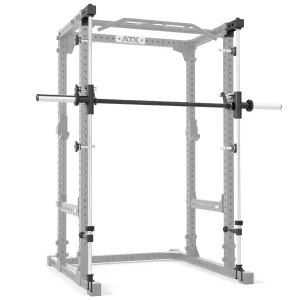
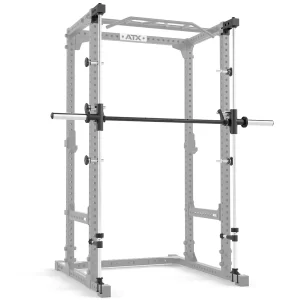
Defined by its four steel uprights, a power rack — also called a power cage, squat cage, or lifting cage — creates a fully enclosed safety zone for free-weight lifting. The adjustable spotter bars bridge the front and rear uprights. They give you a full range of motion for bench press but will stop you from being crushed by the bar if you can’t complete a repetition. This is exactly the setup you’ll see in every high-performance gym.
What About the Safety Features?
The spotters stop you from buckling under a heavyweight bar during squats. In addition to this, the uprights will stop the bar from bouncing around your gym if you have to dump the weight off your back. So they are a perfect fit for both beginners all the way through to the advanced weight trainer.
As you can imagine, these racks need to be strong, tough, and reliable. Even a relatively lightweight squat, if dumped off your shoulders, will generate a fair amount of force. Poor quality power racks boast about their safety features, but when called upon, they fail under the pressure. That is why we don’t sell cheap and nasty gym racks for lifting. We only specialise in high-quality brands who have a proven pedigree in the industry.
Power Rack vs Half Rack vs Squat Stand
A full power rack is a four-post cage. A half rack uses just two front uprights with rear safety legs — it takes up less floor space but provides slightly less enclosure. Squat stands are the most minimal option: two independent uprights, smallest footprint, lowest weight capacity. For most serious home gym users and all commercial gyms, a full power rack or half rack is the right choice. If you’re training to a high standard, cheap squat stands tend to wobble and give way under real load. We only stock quality.
Power Rack Attachments
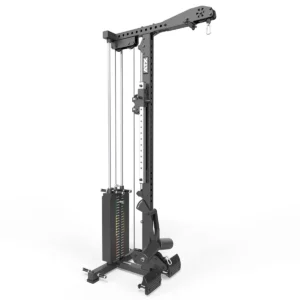
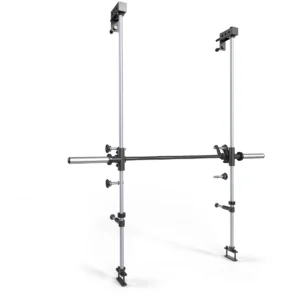
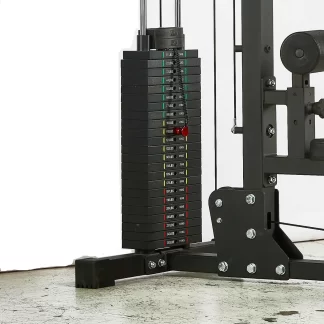
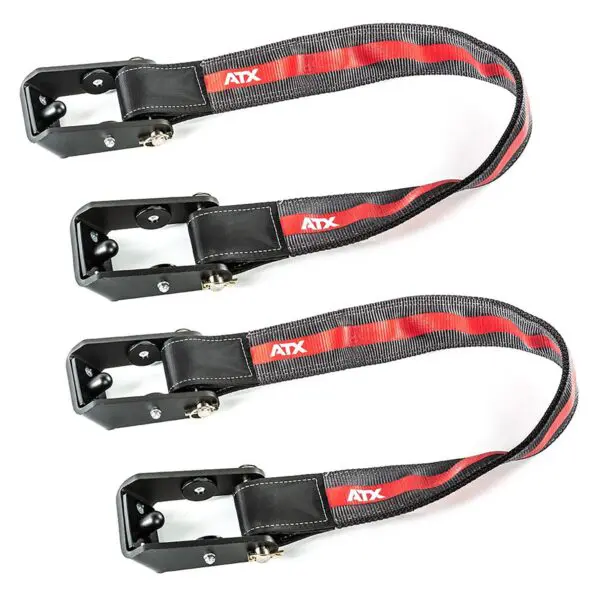
One of the biggest advantages of buying a quality power rack is the attachment ecosystem. Our racks support a wide range of accessories including lat pulldown and cable pulley attachments, dip handles, chin-up bars, landmine attachments, j-hooks, and band pegs. Essentially, a well-equipped power rack becomes a full multi-station gym. We stock attachment kits separately, so you can start with the base cage and upgrade over time.
This will add a lot of variety to your weight training with quality exercises like the following:
- Lat pull-down
- Seated row
- Bicep curl
- Tricep press-down
How Much Room Will I Need?
Best of all, these complete power rack packages take up only a relatively small footprint considering the number and quality of exercises they offer. Most power rack packages sit comfortably inside a 3m x 3m footprint. If you’re tight on space, our folding power rack range mounts to the wall and folds flat when not in use. If ceiling height is the issue, we have compact low-ceiling models that run from 193 cm.
So if your quest in researching gym equipment is going round in circles, the power rack is always the option to fall back on – or should I say the one you won’t fall back on when squatting heavy! It allows you to do all the exercises that are required to build strength and muscle. Plus there are loads of variety to keep your training interesting. The only people I advise to steer clear of power racks are those who don’t like training with barbells.