 5 Barbell Exercises For A Stronger Back
Some trainers focus too much on building up their biceps, triceps, or pecs, and seem to forget about their backs. But our back muscles deserve the same amount of attention we give to our other muscle groups. A strong back is a core element of your overall body strength and fitness. Without a strong back, you’ll have a difficult time performing many exercises such as bench pressing, and even everyday activities such as picking up your kid’s toys from the floor.
Aside from improving your posture, building up the strength of your back can help boost your performance in other sports activities such as cycling, running, and even exercises such as deadlifts. This is because your back muscles are responsible for stabilising your shoulder joints. If you have stable shoulders, you are able to lift heavier weights in almost every upper body exercise out there.
If a bigger and stronger back is what you’re after, these 5 barbell exercises can help. They target your upper back, middle back, and lower back, building the foundation for a truly impressive physique.
What Makes Barbell Back Exercises So Effective?
Barbells are one of the most powerful tools for building back strength because they allow you to load heavy weight with both hands, distributing the load evenly across your entire posterior chain. Unlike single-arm exercises with dumbbells, compound barbell movements activate multiple muscle groups simultaneously—your lats, traps, rhomboids, erector spinae, and posterior deltoids all work together.
The beauty of barbell back exercises is that they build functional strength that translates to real life. A stronger back improves your posture, reduces injury risk, and makes everyday activities easier. Whether you’re lifting a heavy box, carrying shopping bags, or just sitting at a desk all day, back strength protects your spine.
1. Front Squat
Including a squat variation on a list of back-strengthening exercises may come as a surprise to some, but Front Squats actually build up your upper back strength. By placing the barbell in front of your body, your back muscles need to work harder to keep your midsection straight and upright to prevent you from tipping forward.
Your back needs to maintain a very straight form as you lower yourself into a squat. Throughout the entire movement, continue to keep your chest tall and upper arms parallel to the floor.
How to do it:
- With a shoulder-wide grip, hold the barbell in front of you, across your shoulders.
- Position your fingertips under the barbell just outside your shoulders and lift up your elbows.
- Keep your chest up and tighten your core, bend your knees and hips to lower yourself to squat until your thighs are parallel to the floor.
- Straighten your knees and hips to push yourself back to the original position.
Pro tip: Front squats demand excellent posture and core stability. If you find yourself collapsing forward, the weight is likely too heavy. Master the movement first, then add load.
2. Deadlift
The Deadlift is actually more than a back exercise—it targets your whole posteriors, from your calves to your trapezius muscles (also called traps). It’s the best exercise to develop your back strength.
Keep in mind that your technique is very important when it comes to deadlifts. As you improve your technique, you can level up to heavier weights that will promote the release of muscle-building hormones and gain the muscle mass you want.
How to do it:
- Position the barbell directly over the middle of your feet.
- Stand and face the barbell with your legs apart at shoulder-width and position your toes pointed forward or slightly outwards, depending on your preference.
- Bend your hips and hold the barbell with an overhand grip.
- Hold the knurled area of the bar for a stronger grip.
- Bend your knees forward, so your shins are touching the bar.
- Bring your buttocks backwards in order to bring your thighs above your knees in a half squat position.
- Lift your chest to make your back tight and flat. Take a deep breath as you flex your abdominal muscles. Keep your head aligned with your spine by looking forward and engaging your lats.
- As you lift the bar, thrust your hips forward. Maintain a firm core. The bar should slide up your shins and over your knees until you are standing up straight. Hold the position for 1-2 seconds.
- Slowly lower the barbell down and make sure you don’t curve your back. Exhale.
- Between each lift, make sure you take a few seconds to rest and that the bar is always in the right position.
Form check: The deadlift is highly technical. If your lower back rounds under load, reduce the weight immediately. Perfect form always beats heavy weight.
3. Bent-Over Overhand Barbell Row
The Bent-Over Barbell Row allows you to work with more weight compared to other variations of barbell rows. Rowing with heavier weights stimulates your muscle growth in the lower, middle, and upper traps, major and minor rhomboids, back deltoids, and rotator cuff muscles.
The overhand (or pronated) barbell row is a great go-to exercise to focus on your middle back muscles. Proper technique and form are key factors to master when performing this exercise. Make sure you don’t overload the bar to avoid injuries.
How to do it:
- Begin by holding the barbell with an overhand grip. Keep your hands a little further apart than your shoulder width.
- Slightly bend your legs and maintain a straight back as you bend your upper body until it is nearly parallel to the floor. The barbell should now be placed along the middle of your shins.
- Lift the barbell upwards into the lower portion of your chest
- Pause for a few seconds, then slowly lower the bar back to the original position.
Programming tip: Bent-over rows are taxing on the nervous system. Perform them early in your workout when you’re fresh, and keep reps moderate (6–8 per set for strength focus).
4. Bent-Over Underhand Barbell Row
The Bent-Over Underhand Barbell Row is exactly the same with the Overhand Barbell Row—the only difference is the grip. Instead of a pronated grip, this exercise uses a supinated or an underhand grip that targets your rhomboids and the muscles connected to your shoulder blades.
This exercise is perfect for trainers who want to increase the strength of their back muscles which tend to be weak due to the vast amounts of time we spend sitting at work or at home.
How to do it:
- Begin by taking the barbell with an underhand grip. Keep your hands a little further apart than your shoulder width.
- Slightly bend your legs and maintain a straight back as you bend your upper body until it is nearly parallel to the floor. The barbell should now be placed along the middle of your shins.
- Lift the barbell upwards into the lower portion your chest
- Pause for a few seconds, then slowly lower the bar back to the original position.
Grip strength benefit: Underhand grip rows also build your grip strength and forearm development, making them a complete upper body exercise.
5. Standing T-Bar Row
The Standing T-Bar Row is a very simple but effective exercise designed to give you a bigger and stronger back.
Keep in mind that you need to keep your legs in a bent position throughout this exercise. Unlike other movements, you have the freedom to choose the position and width of your hands. Holding the barbell handle with your hands placed wider apart will focus on your lats, while a neutral grip will develop your rhomboids, traps and teres.
How to do it:
- Prepare your barbell by loading one side of a bar with the right amount of weights then place the other end of the bar on the floor. Secure the end without weights to a landmine station or into a corner of the gym.
- Loop a close grip T-bar row handle under the bar as close to the plates as possible.
- Stand over the plate-loaded side of the barbell, keeping your feet apart at shoulder width.
- Bend your knees and hold the grip T-bar row handle with both hands. Maintain a straight back, keep your head in a comfortable position and slightly bend your knees
- Tighten your abs as you pull the barbell towards your chest. Squeeze your shoulder blades.
- Hold this position for 1-2 seconds before lowering the bar carefully. Follow the same path until you feel the stretch in your back muscles and your arms are fully extended. Pause before the weight touches the floor, then repeat.
- Maintain a bent-over position throughout this exercise and allow your chest to slightly rise as you bring the barbell closer to your chest. Keep your elbows close to your side to target your lower lats and prevent any bicep activation which decreases the effectiveness of this exercise.
Safety note: Never round your lower back when pulling. If you find yourself hunching forward, the weight is too heavy or you’re fatigued. Rest and reduce the load.
Programming Your Back Workout: Tips for Success
Exercise Order & Frequency
Compound back exercises like deadlifts and rows should be performed early in your workout when your nervous system is fresh. This allows you to lift heavier weight and recruit more muscle fibers. Train your back 2–3 times per week for optimal growth.
Progressive Overload
The key to building a stronger back is progressive overload—gradually increasing the weight, reps, or sets over time. Start with a weight that allows you to maintain perfect form for 6–10 reps, then add 5 lbs or perform one extra rep each week.
Tempo and Control
Back exercises respond well to controlled movement. Spend 2–3 seconds lowering the weight (eccentric phase) to maximize muscle damage and growth. Explosive lifting is less effective for back development.
Accessory Work
After your main compound lifts, add lighter accessory exercises like lat pulldowns, face pulls, or cable rows. These isolate individual back muscles and prevent imbalances.
Common Mistakes to Avoid
- Using too much weight too soon: Heavy weight with poor form leads to injury, not gains. Master movement patterns first.
- Rounding your lower back: This puts your spine at risk. If you can’t maintain a neutral spine, reduce the weight.
- Not engaging your lats: Many lifters perform rows with their arms instead of their back. Focus on pulling your elbows back, not your hands up.
- Neglecting the eccentric (lowering) phase: The lowering phase builds muscle just as much as the lift. Don’t drop the weight.
- Inconsistent training: Back development requires consistency. Train back regularly and don’t skip these exercises.
Equipment You Need
- Olympic Weight Plates
- Power Rack
- Weight Lifting Straps & Hooks – Support grip strength during heavy rows and deadlifts
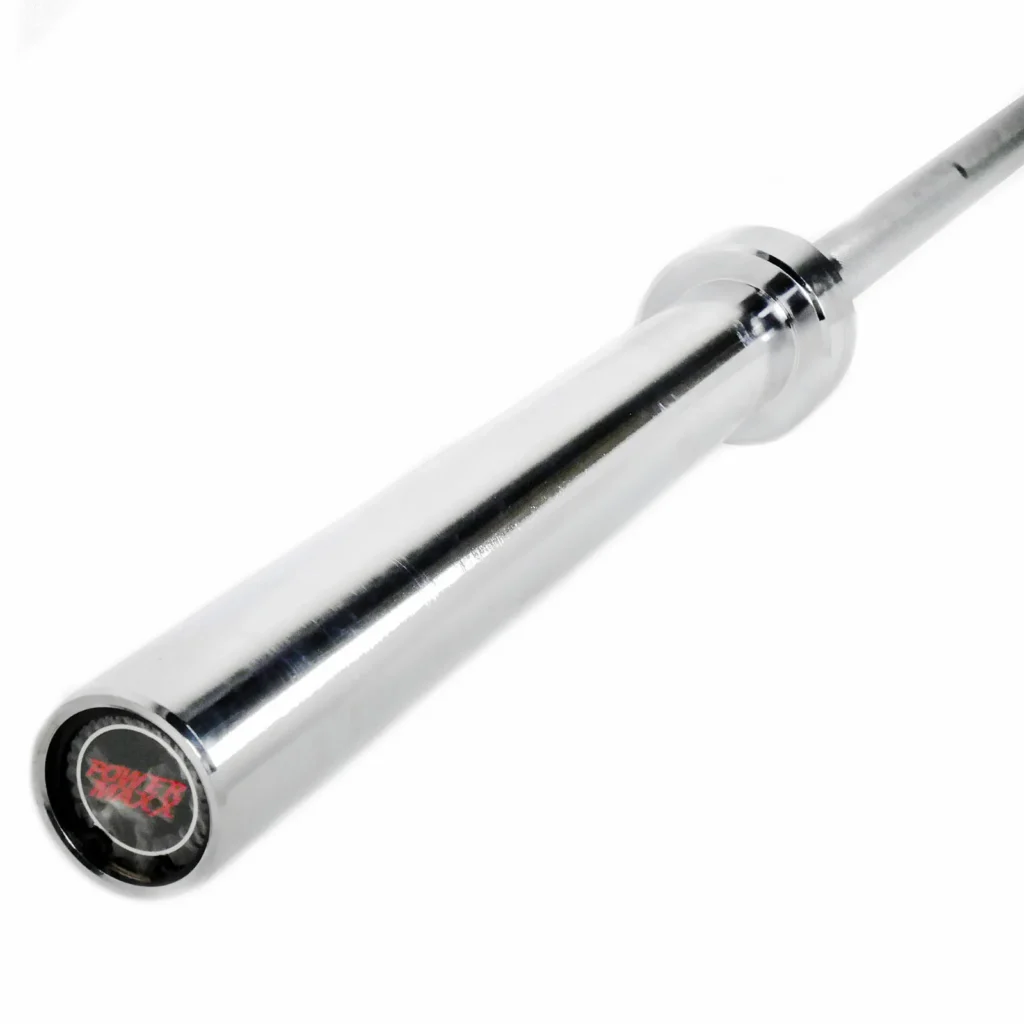
- Olympic Barbell
Frequently Asked Questions
Start with a weight that allows you to complete 8–10 reps with good form. If you’re unable to maintain neutral spine position, the weight is too heavy.
Barbell rows require more stabilizer muscle activation and allow greater range of motion. They’re more effective for overall back development but demand better form.
Yes, but start light and focus on movement quality. Consider working with a coach for your first few sessions to ensure proper form.
Lower back pain typically indicates poor form—usually a rounded spine at the start. Reset: keep your chest up, engage your lats, and maintain a neutral spine throughout the lift.
Overhand (pronated) rows emphasise the middle back; underhand (supinated) rows target the lats and lower back. Vary both for balanced development.
With consistent training, you’ll notice strength gains within 3–4 weeks and visible muscle growth within 6–8 weeks.