 How to Squat like a Powerlifter
 How to Squat like a Powerlifter
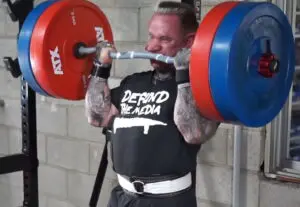
 Squatting like a powerlifter isn’t as simple as it looks. Let me tell you this: you must put a lot of work into lifting a solitary repetition of roughly 200kgs. Enduring extreme loads is just one chapter of the entire story..
Sadly, many blokes overlook intangibles such as accessories, form, and nutrition. You don’t just place a heavy barbell on your shoulder blades, squat, grunt like a madman, and assume you’ve got the intricacies down pat. If you want to succeed, you must cover all the bases.
In this article, I will give you the lowdown on how to do squats like a powerlifter. I hope you put these tips into practice and remain consistent so you can step up your game at the gym.
Essential Powerlifting Gear
Before you execute your first rep, ensure you’ve got the proper equipment so you avoid potential distractions (who wants to deal with a creaky squat stand, anyway?).
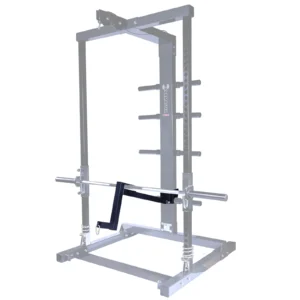
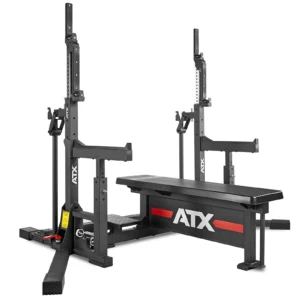
Professional powerlifters use a quality squat stand for their lifts. A high-quality half rack o power rack, are great alternatives if your local gym or home gym doesn’t have one.
Quality powerlifting plates are typically made of cast iron. For your bar, choose a durable, solid steel version such as the ATX® Olympic Competition Powerlifting Barbell. These first-rate products should help you do powerlifting squats for years on end.
In terms of accessories, wear a powerlifting belt whenever you lift 80 percent of your one-rep max for your squats. Studies reveal it helps you lift heavier, prevent injury, practise proper form, and provide a mental boost. Refrain from using a powerlifting belt whenever you warm up or lift light: it’s an accessory, not a crutch you depend on incessantly.
Many powerlifters also use knee wraps for their squats. Some experts claim these wraps allow you to store more energy on the downward phase of your squat. They also help reduce pressure on your quads. I agree on both fronts.
Using chalk on your hands for squats is a matter of preference. Lifters typically use it to improve their grip on the bar because their hands can sweat profusely. However, when doing squats, you rest the bar on your shoulder blades for support so not using chalk for squats shouldn’t unsettle you at all.
In terms of the proper shoes for squats, go for a pair with sturdy heels which support heavy lifts.
Powerlifting Squat Warm-up Routine
Now that you’ve got the proper equipment and apparel, it’s time to warm up before you crank out your first rep. There are benefits of warming up why you should do this:
- Warming up raises the core temperature of your muscles
- It increases your joints’ range of motion
- It lowers the risk of a serious injury
- It prepares you mentally: warming up will help put you in beast mode for the heaviest squats!
Here’s how Amit Sapir, the Israeli powerlifter who set an insane world record of 347.5kg for squats in 2015, does his warmup routine:
- Amir starts off with several sets of banded exercises for the upper body.
- Next, he does five to 10 repetitions of good mornings to open up his hamstring muscles.
- Amir then does side-to-side and front-to-back leg swings.
- Next, Amir does one to two sets (five to eight repetitions each) of squats with an empty bar.
- Finally, Amir does at least six warm-up sets of squats. He adds 40kg and decreases his reps with each set until he reaches 600lbs (272kg). At this point, he adds another 23kg and goes into his working sets.
You don’t have to reach 272kg right off the bat. If you can only squat one-fifth of that load, so be it. Work your way up slowly. Set a specific goal for yourself and keep striving to achieve it.
Step-by-Step Guide on Squatting like a Powerlifter
I will now break down for you the powerlifting squat technique:
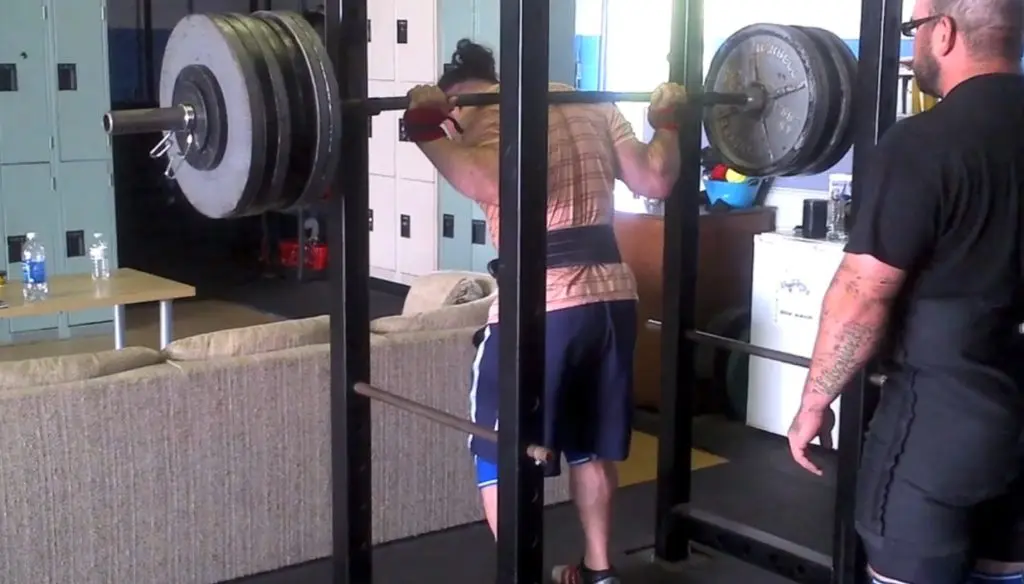
- Grab the bar (which is resting on your squat stand) with a shoulder-width grip. Squeeze the bar tightly so your body generates maximum power. Doing so also helps prevent injuries.
- Clench your shoulder blades tightly as you step under the bar. Place the bar on your shoulder blades. Ensure you place your elbows directly underneath the bar and you straighten your wrists.
- Next, set your feet roughly shoulder-width apart and bend your knees slightly. Take a deep breath, brace your torso muscles, and squat up slightly so you unrack the bar off the pins. Maintain your feet’s shoulder-width stance and point your toes slightly outward. Now, stand up straight and lock your knees.
- Take another deep breath and tighten your torso. Generate power from your hips and glutes as you squat down in a slow and controlled manner. Once your hips go lower than your knees, you’ve reached the bottom of the movement.
- Squeeze your glutes and brace your core as you explode back to an erect, upright position. Engaging your glutes increases power while tightening your midsection increases stability. Press your knees outward as you squat up so you can handle heavy loads and prevent injury.
- Finally, re-rack the bar by lowering it onto the pins. If you will do multiple reps, repeat the aforementioned steps to your desired number.
Safety tips
You need to breathe deeply into your stomach whenever you do squats so you create intra-abdominal pressure. You must also brace your torso muscles during key points of the movement, like I mentioned earlier.
When you do these two things, you alleviate hundreds of kilograms of pressure from your spine and increase your ability to lift heavier loads. You can also achieve these goals by wearing a powerlifting belt whenever you lift 80 percent of your one-rep max for squats.
You don’t need a spotter whenever you do light or warm-up sets for your squats on your squat stand, half-rack, power rack, Smith machine, or multi-gym. That changes dramatically when you try to handle massive loads. Even powerlifting beasts like Amit Sapir need several spotters during competition time!
The intangibles
If you want to squat like a powerlifter, you should strengthen your posterior chain (the body’s backside muscles). When that happens, you lower the chances of wrecking your knees and back. Good complementary exercises include:
- Glute-ham raises
- Deadlifts
- Romanian deadlifts
- Good mornings
Diet is also crucial: don’t expect to crush your powerlifting squat goals if you gorge on junk. As Linas mentioned in his beginner powerlifting program blog post, avoid processed foods and consume those which are “closest to their natural form. It not only helps with performance but your body will look like it lifts weights and not burgers!
For optimum performance, eat plenty of whole grains (brown rice, 100% whole-wheat bread, 100% whole-wheat pasta, quinoa, buckwheat, etc.), fruits, and vegetables. Stick to lean protein sources such as salmon, beef, turkey, and chicken. Try healthy fat sources such as avocado, nuts, and olive oil.
In terms of supplements, high quality whey protein is a proven tool to help you increase muscle mass and athletic performance. On the other hand, using creatine for strength gains is a proven way to support your aspirations for a heavier 1-rep max.
Powerful squats
There’s no shortcut to squatting like a powerlifter. It really takes a lot of work: you must prepare the right equipment and accessories, warm up properly, execute, follow safety guidelines, and pay attention to the intangibles. Once you’ve done all these things, your squats will be more powerful and you’ll definitely achieve your goal of squatting like a powerlifter!
Enjoyed this guide? Check out our other blog posts!
Don’t know what weightlifting belt to choose? Check out this article!