 Sam’s Review: ATX® Plate Loaded Lat Pulldown and Row Machine
 Sam’s Review: ATX® Plate Loaded Lat Pulldown and Row Machine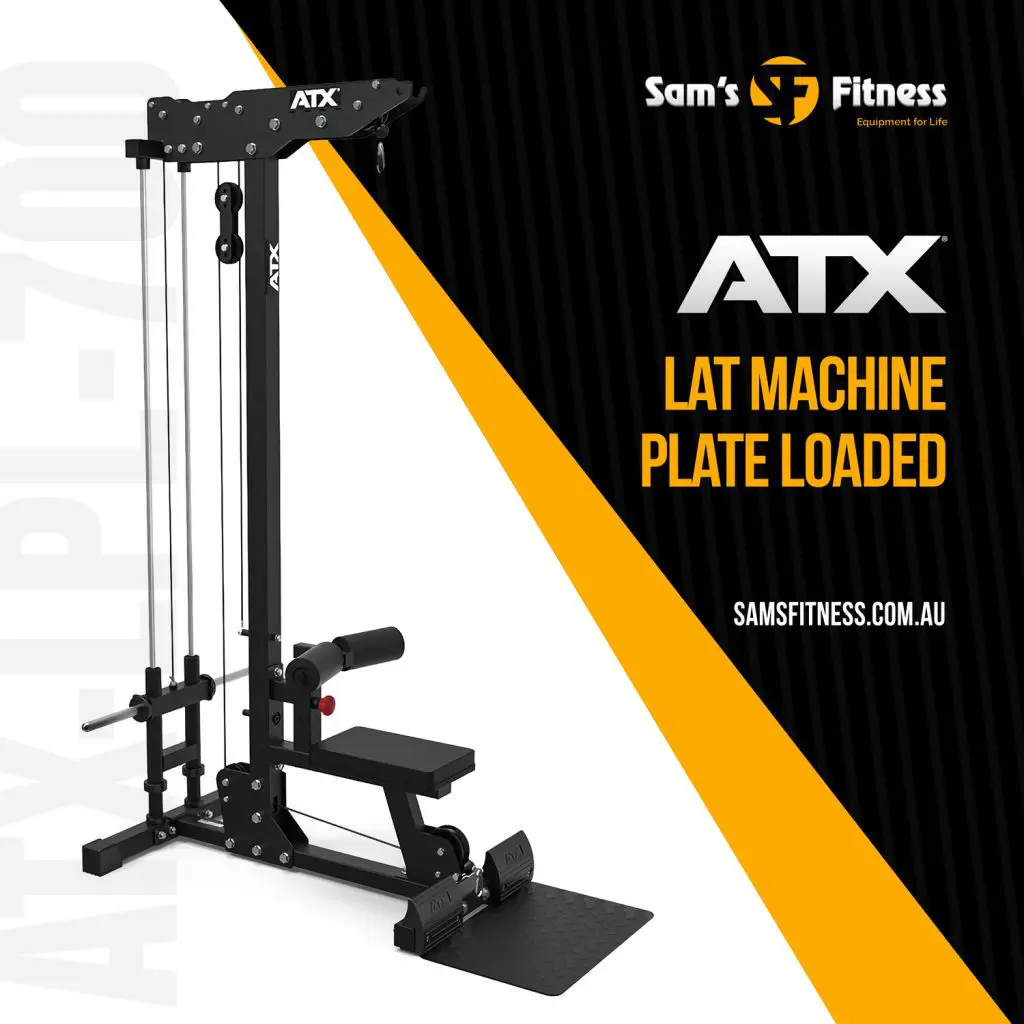
A lat pulldown and row machine is one the best machines that you can add to your gym. In terms of the number and quality of exercises that can be performed they are at the top end of the totem pole. What makes them even better is that they take up relatively little space. This is exactly what we are looking for in gym equipment. Notably, a combined Lat Pulldown and Row Machine offers maximum versatility while minimising the footprint.
Now the only issue is price. Prior to covid you could get the previous version of the 700 series for around $900. Slowly the price on that unit crept up. I remember the day it got to $1,200. It was a sad day and I was literally shitting my pants. The machine had not change but the price was so much more for nothing. I left work so depressed, thinking nobody would buy them. Lucky for me the whole market was in the same boat.
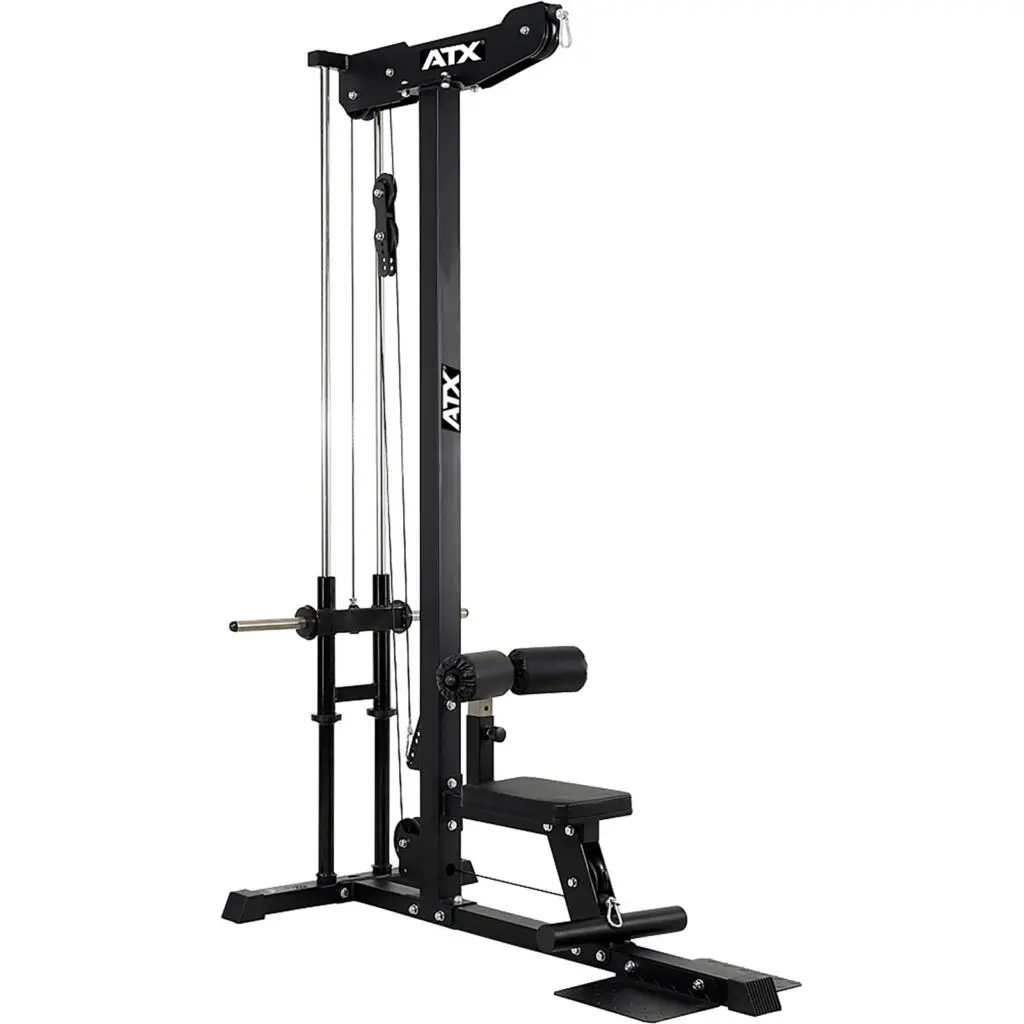
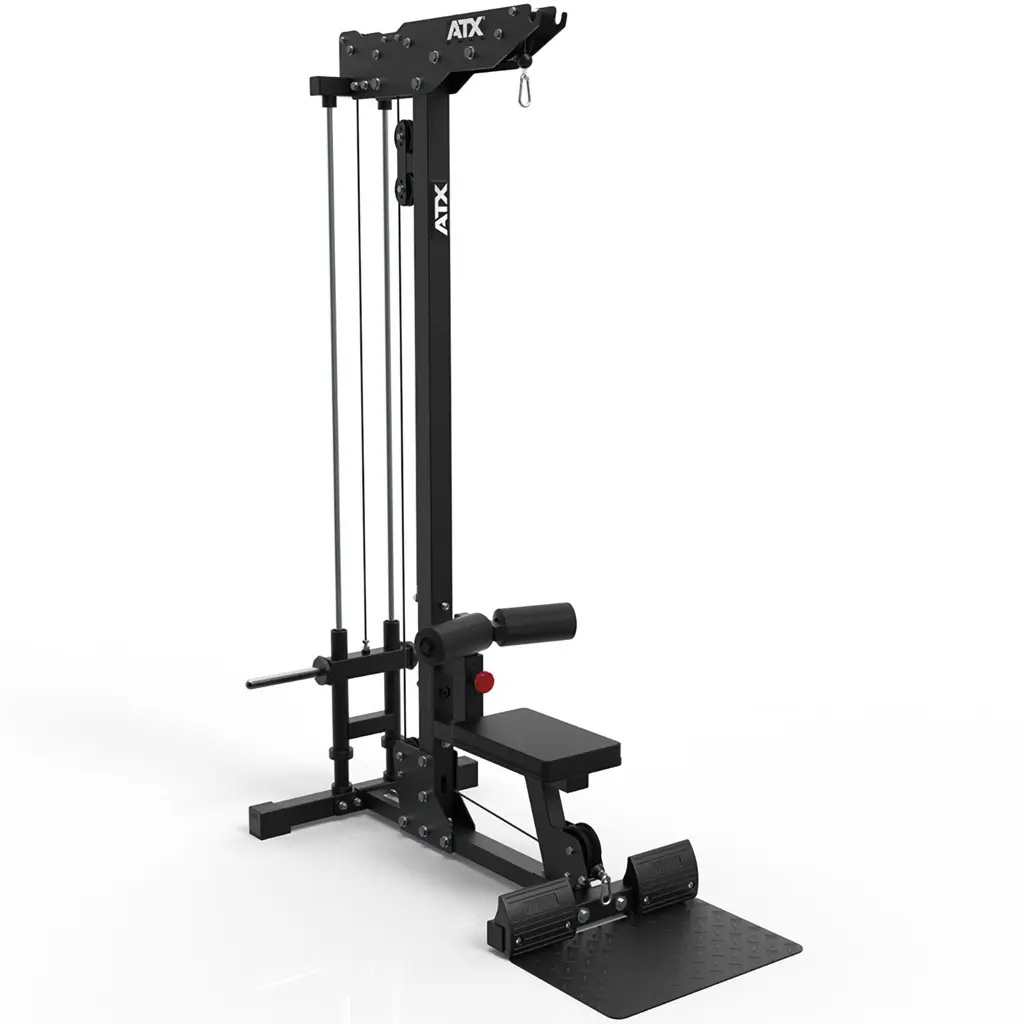
The old LPL-720 eventually got to the $1,300 mark. Then along came this new LPL-700 which we now sell for $1,449. We used to sell the old weight stack version for $1,600-$1,700. It got over the $2K mark. The new LSW-750 with a weight stack is now $2,335. For those considering investing in gym upgrades, machines like a Lat Pulldown and Row Machine frequently justify a higher price with greater versatility.
So while these new lat machines might seem expensive, they are just tracking the general inflation trend in everything these days. But the difference is that these new versions are offering you some improvements which I will walk through.
LAT PULL & ROW MACHINE BUILD
Put simply these new ATX lat machines are the best in terms of durability and performance. They showcase the evolution of design and manufacturing techniques. The old versions were highly regarded in the gym equipment communities. These versions have levelled up in many ways, and that includes the overall construction of both the Lat Pulldown and Row Machine features.
For me the stand out visually is the new laser cut header section. The main upright and the upper housing for the guide rails both have welded frames.
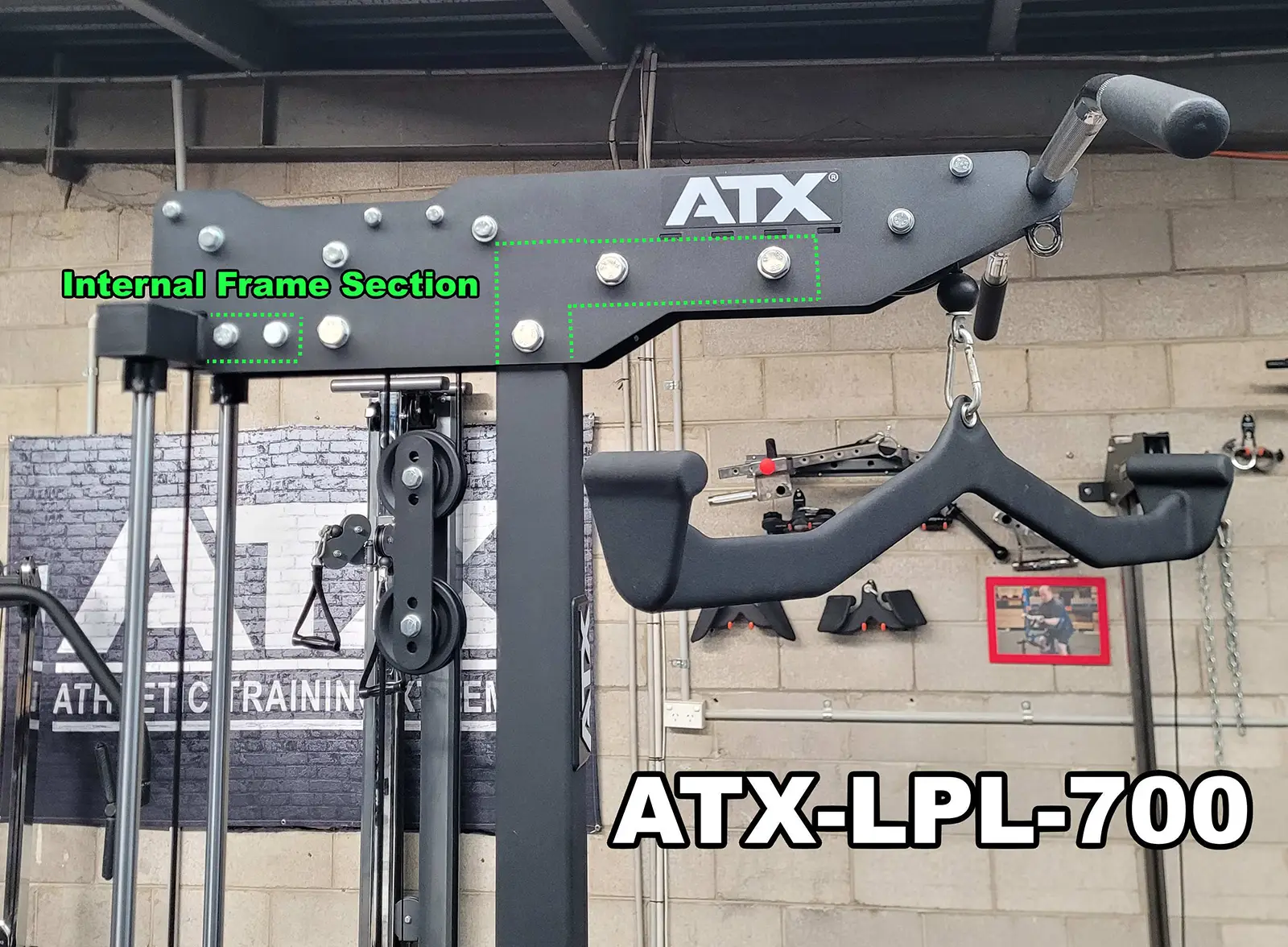
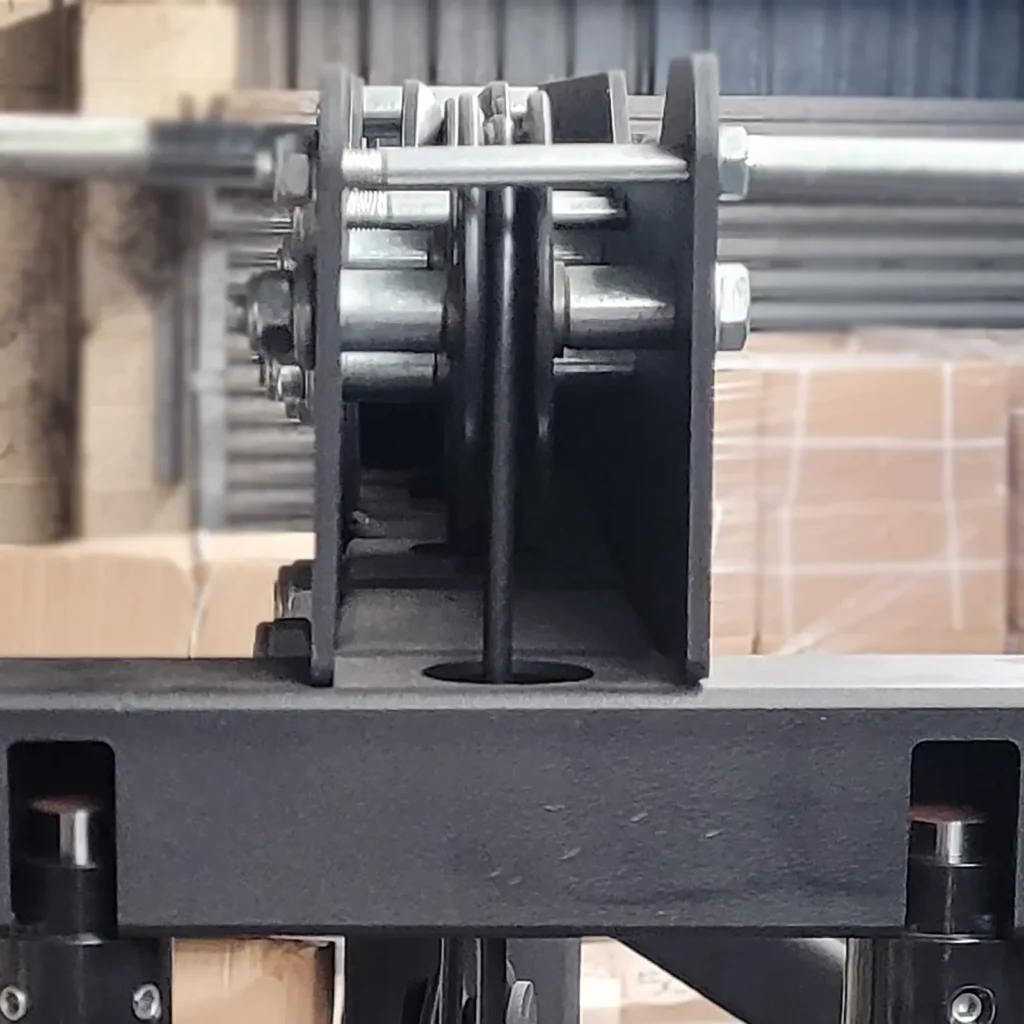
These laser cut panels are bolted on. On the top section the panels are spaced with solid steel tube. The rest of the bolts are used for the pulley assembly. Thanks to this kind of build, the Lat Pulldown and Row Machine delivers both resilience and seamless function.
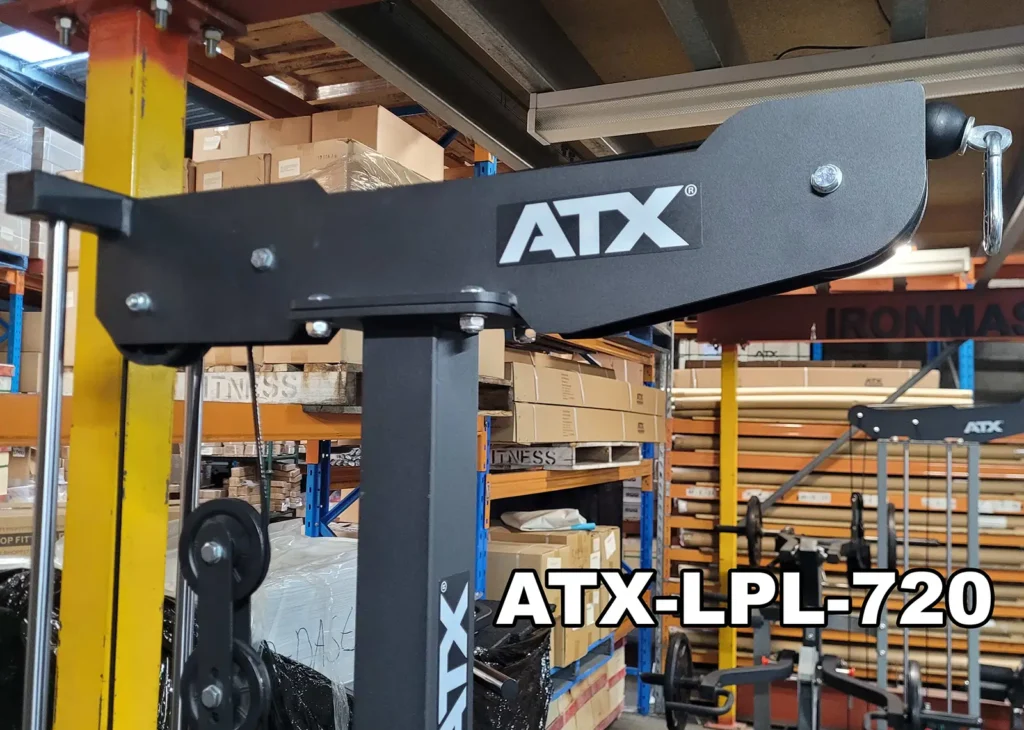
You can see this evolution in design over the previous model, which also featured a laser cut housing.
But in the previous model the sides were welded together and bolted to the frame at a central point.
Design Improvements
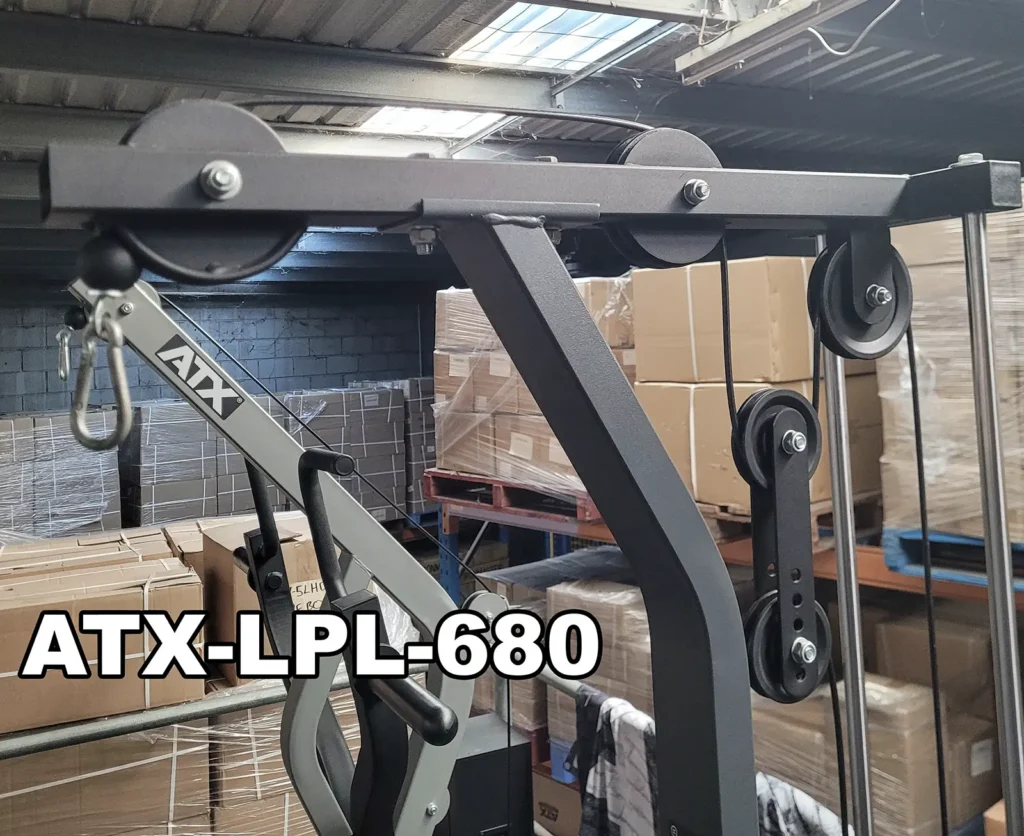
Comparing both these to the older LPL-680 design. The upper section is simply a piece of tube with holes cut out, and pulley housings welded in. In comparison, the latest Lat Pulldown and Row Machine models bring more sophisticated design enhancements to the table.
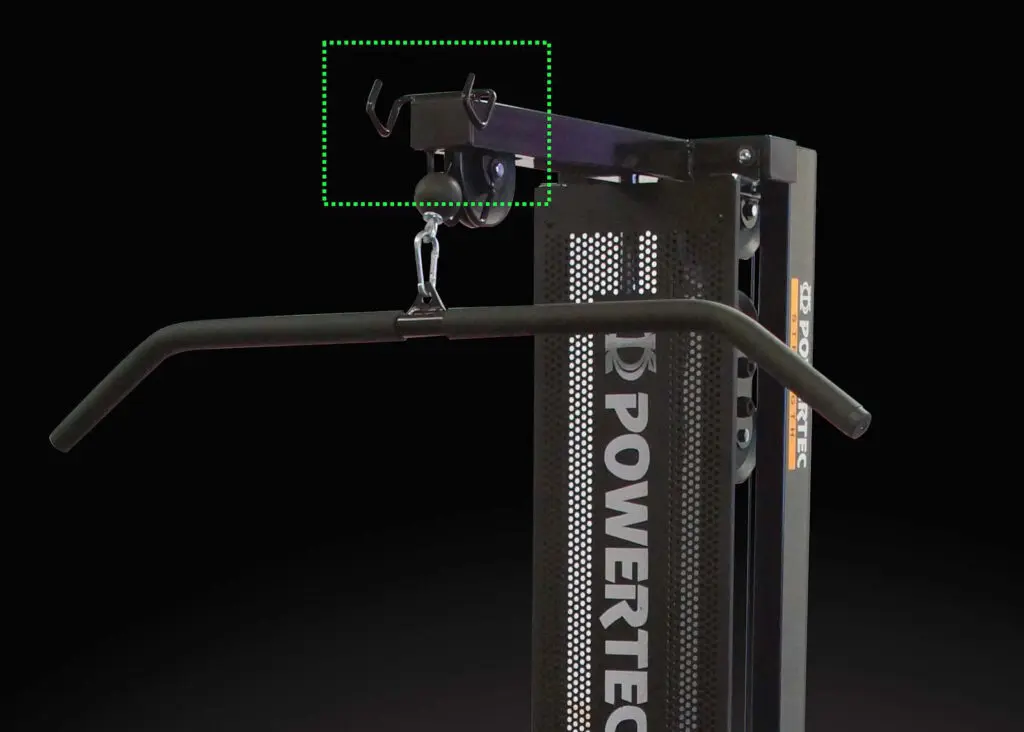
This evolution shows they are making constant improvements. The addition of the cut out pulldown bar storage is a very handy feature and a vast improvement on older style bar holders.
Guide Rails for Silky Smooth Movement
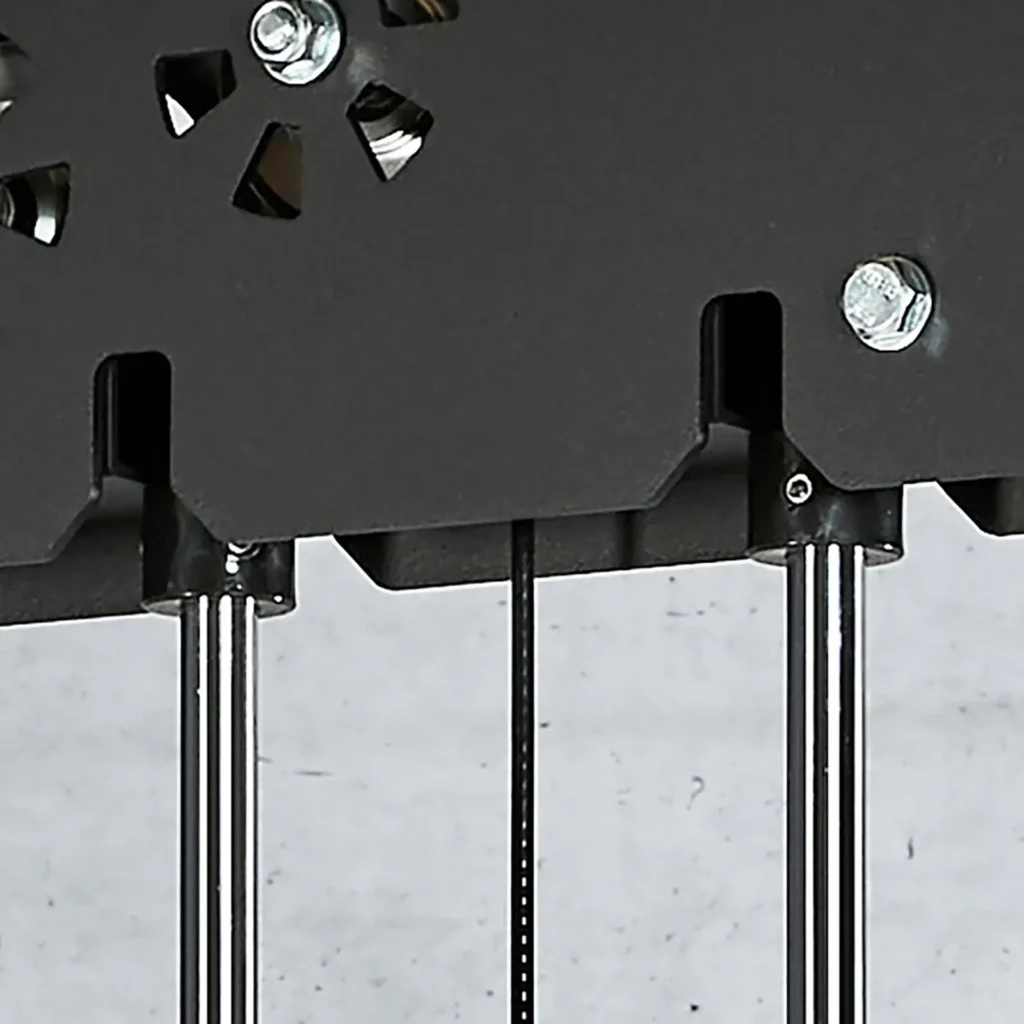
The guide rails are made from 20mm round solid steel bar. Previously 25mm hollow tube steel was used. By dropping from the 25mm down to 20mm there is slightly less resistance, which can be especially noticeable during exercises on a Lat Pulldown and Row Machine.
They are held into place with nylon bushes.
Both the older 600 & 700 series guide rails were bolted into place. This made assembly sometimes tricky as it was hard to line up the hole. But the main issue was that if you weren’t properly aligned the weight carriage or header plate on the weight stack version could feel sticky. Sometimes they would even get stuck.
With this little bit of play, they guide rails and carriage can self centre. Now the carriage just glides up and down with minimal drag. It is the same set up that is featured on the Trinity Tower which blew a few American minds at HomeGymCon
Technological Improvements
Both the weight carriage and the stack plates feature channelled nylon bushes. They used to be solid on the 25mm guide rail versions. The channelling further reduces resistance. This kind of technology is often seen in current Lat Pulldown and Row Machine models to enhance smoothness.
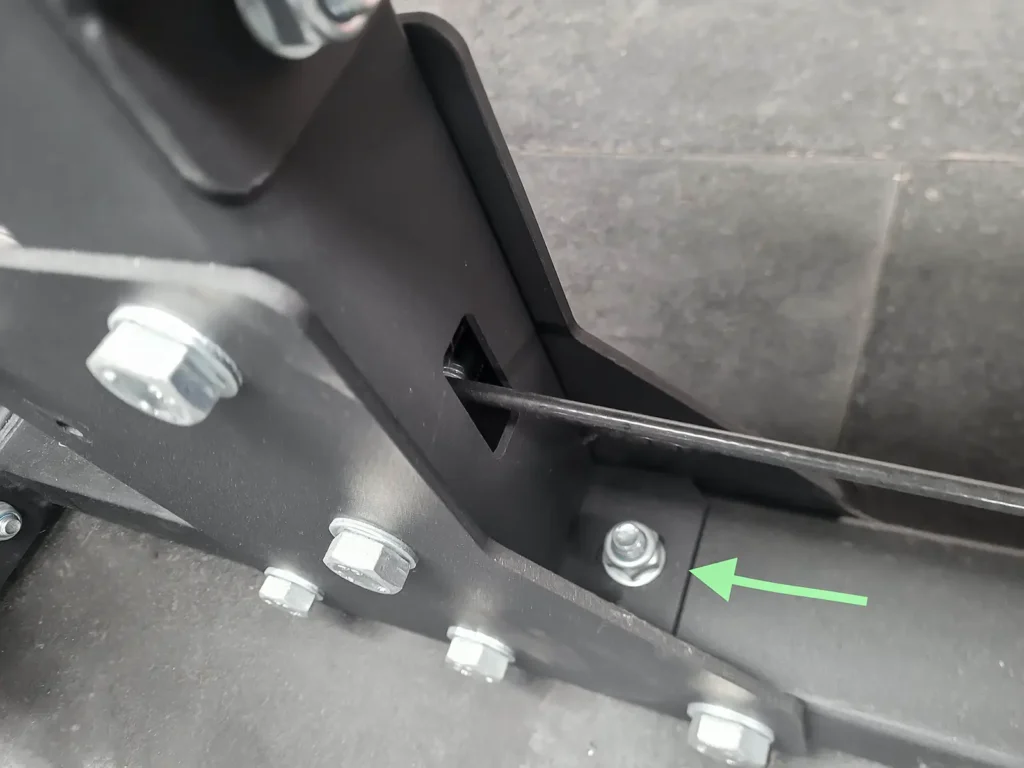
The main upright is made from 70 x 70 3mm thick steel. It has 2 anchor points for the cable. The top one is for the plate loaded version. The bottom for the weight stack variety. This allows you to convert your plate loaded machine to a weight stack later on.
The upright has a flat plate that is welded on the bottom. That is bolted to the frame.
Then the whole structure is then reinforced with backing plates which also house the lower pulley
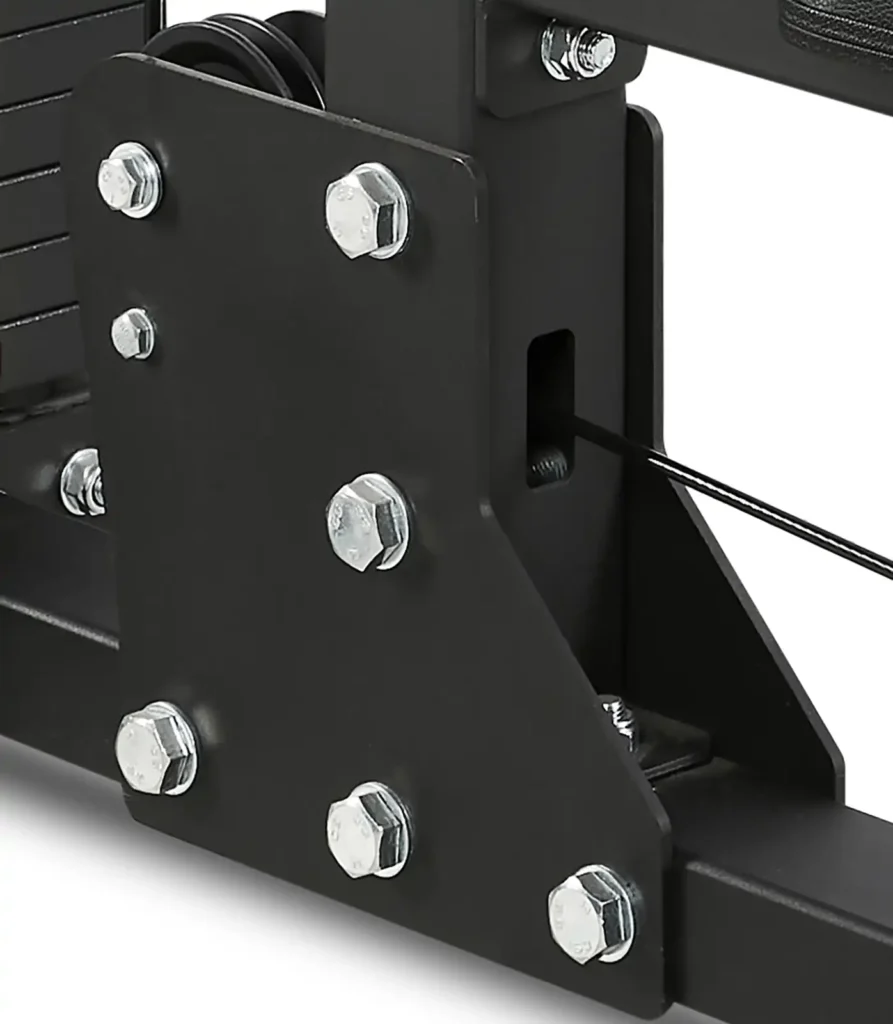
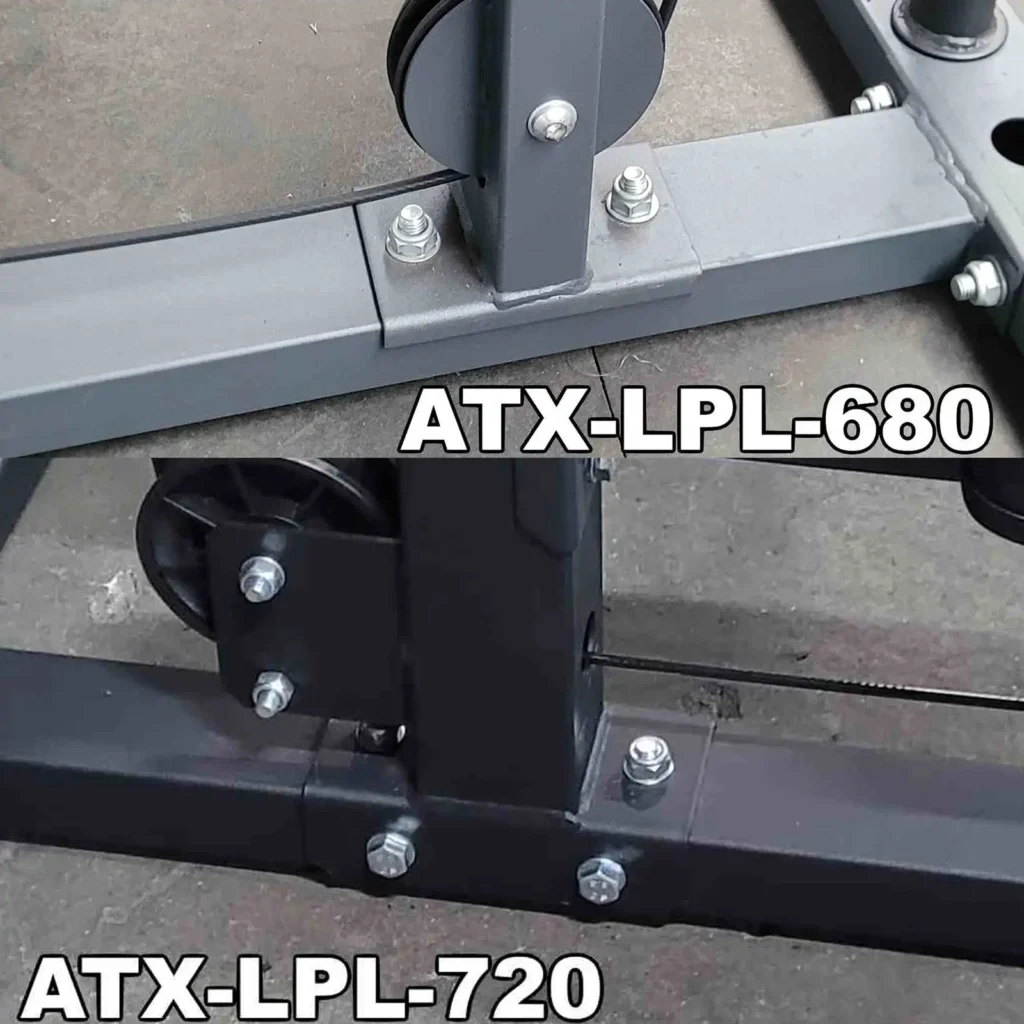
It is not until you compare it to the previous models that you see just what an upgrade this new design is. Both at the top and bottom, this lat machine is built for the heaviest loads, something that’s critical in a combined Lat Pulldown and Row Machine environment.
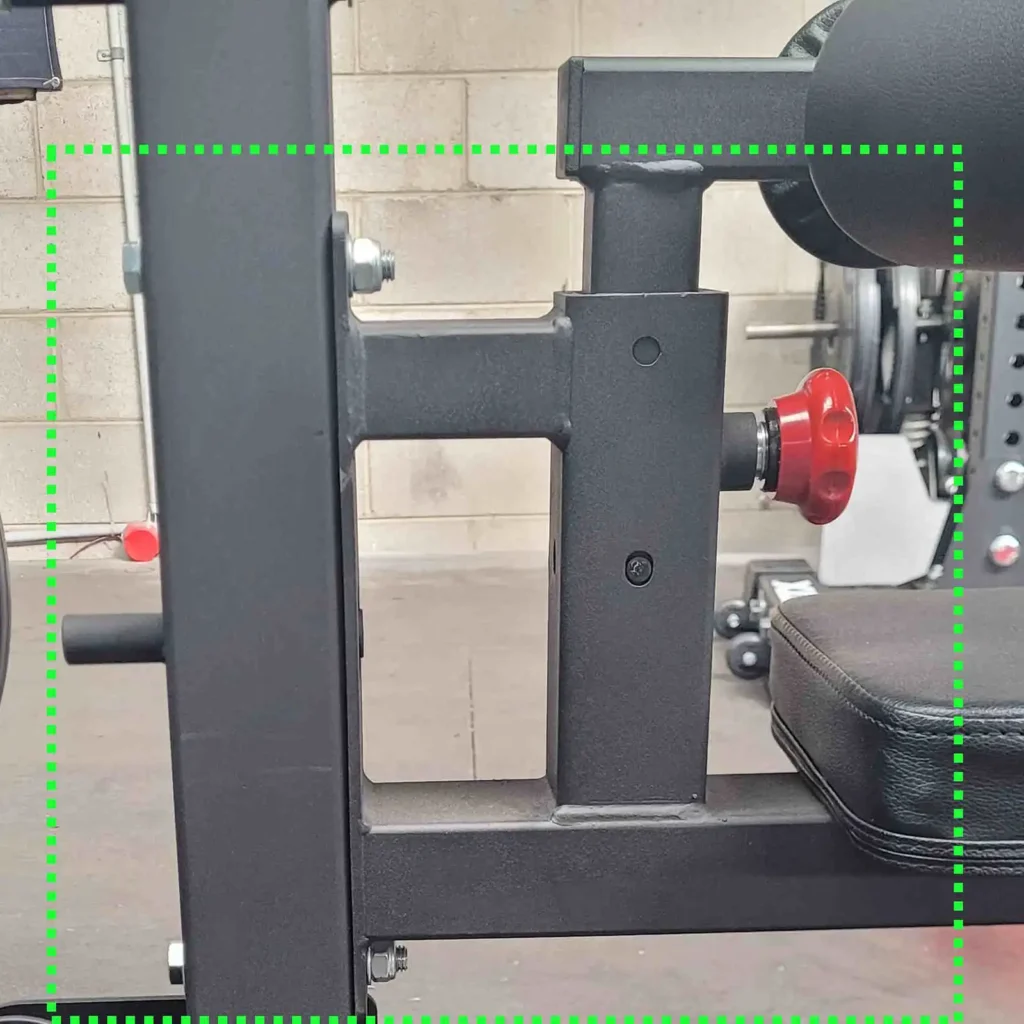
But wait there is more. The structure is further strengthened by the addition of a brace connecting the leg lock support to the upright. Previous models were just connected by the seat.
Custom Parts
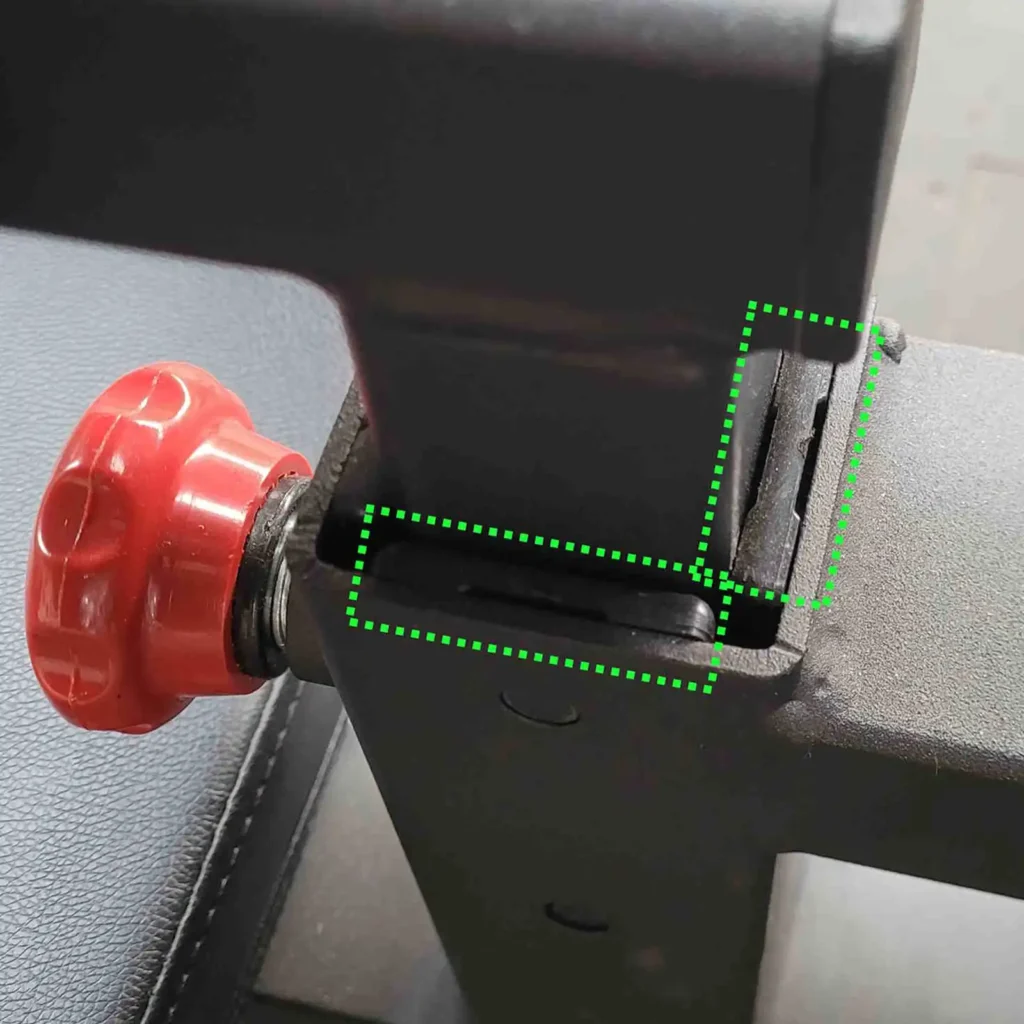
This was made possible by the introduction of the ATX internal sleeve system.
The old versions were just a basic metal on metal design. A precision fit is crucial. Welding a frame section could lead to some deformity in the tube. The new system compensates for any slight variations.
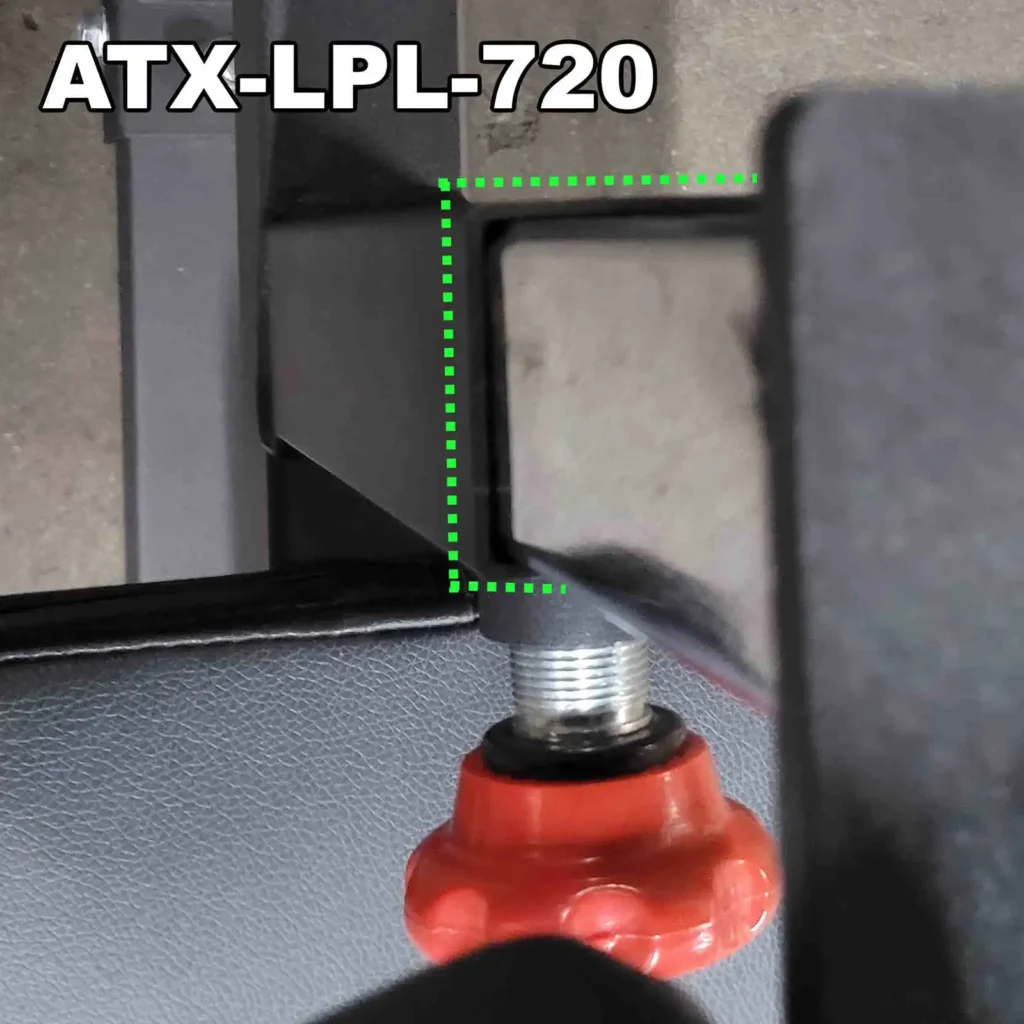
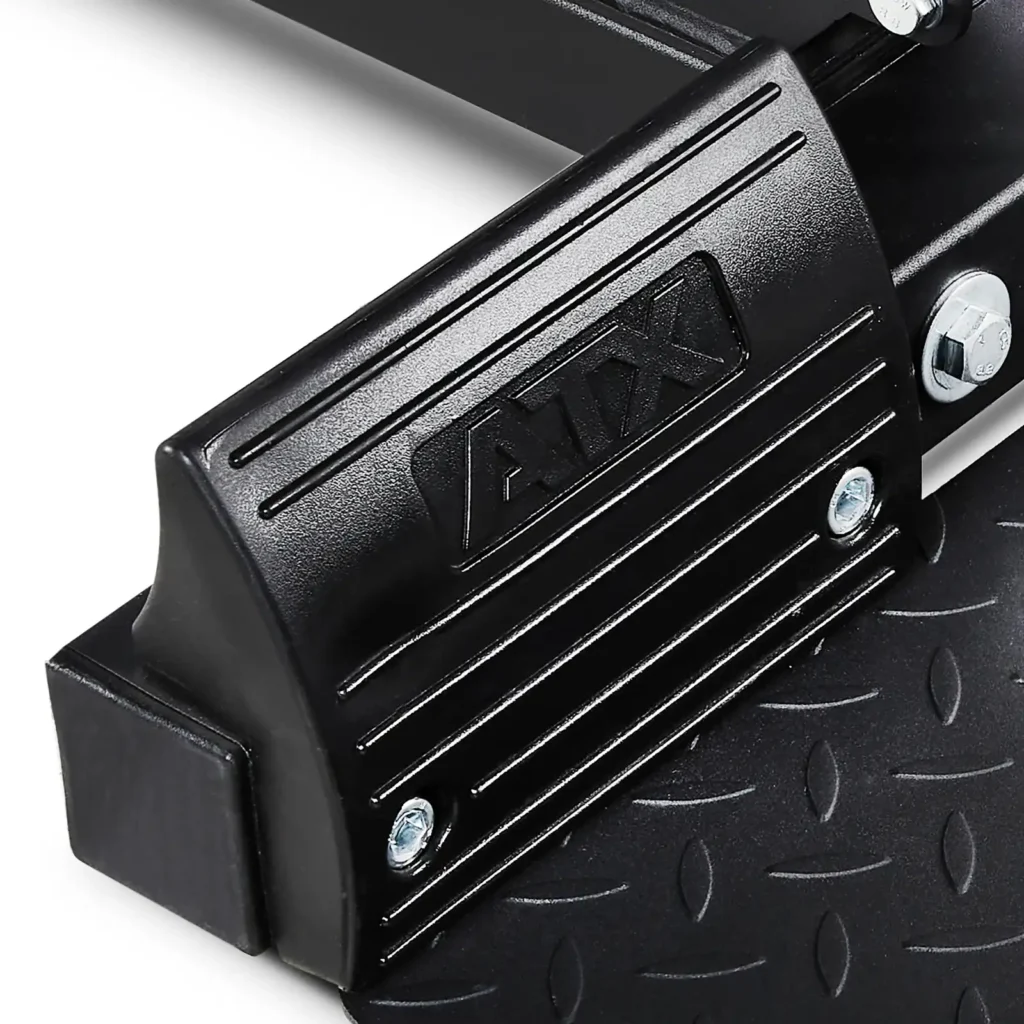
The other significant upgrade are the custom ATX rubber feet. They are contoured for the arch or your foot. Similarly, small upgrades like these often set a Lat Pulldown and Row Machine apart from older gym equipment.
The previous models just had had some round tube. It did the trick, but the new custom feet are just feel that bit better.
The previous models just had had some round tube. It did the trick, but the new custom feet are just feel that bit better.
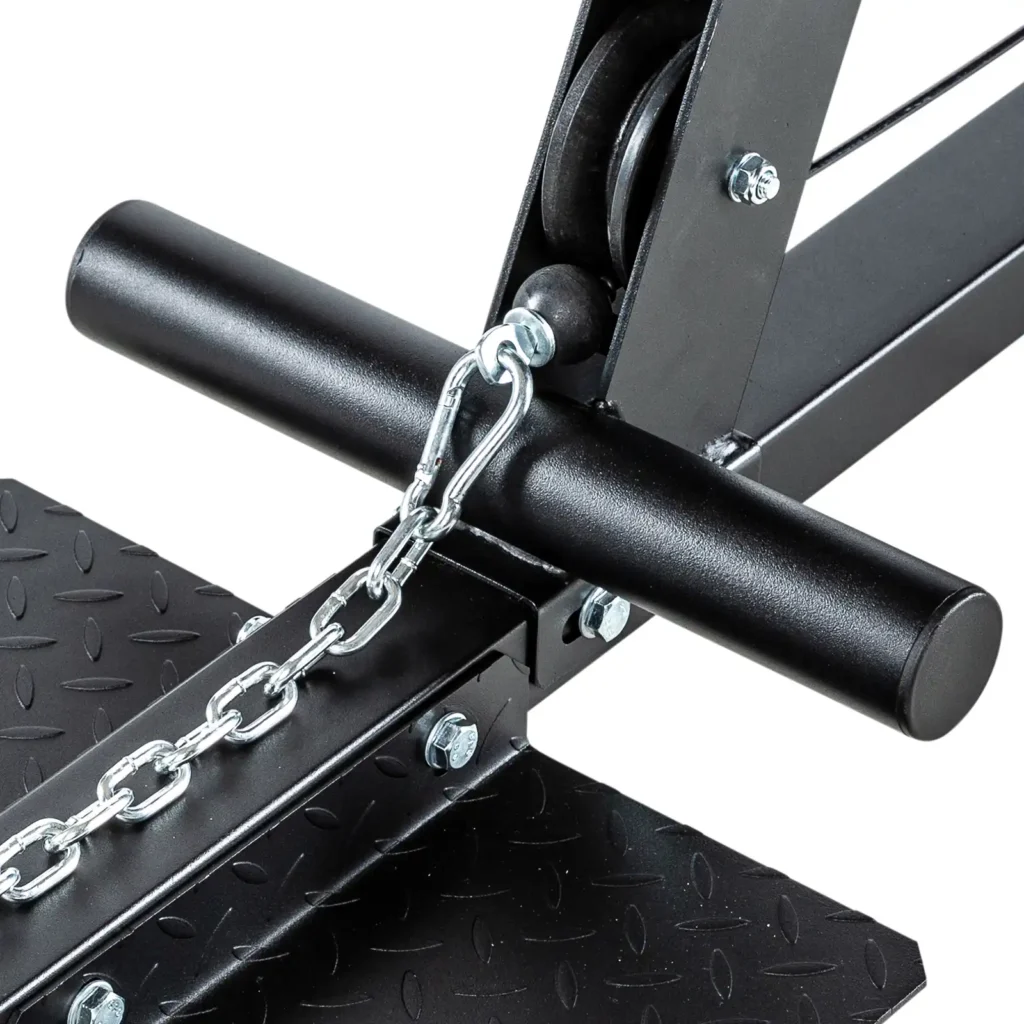
A More Compact Lat and Row Machine
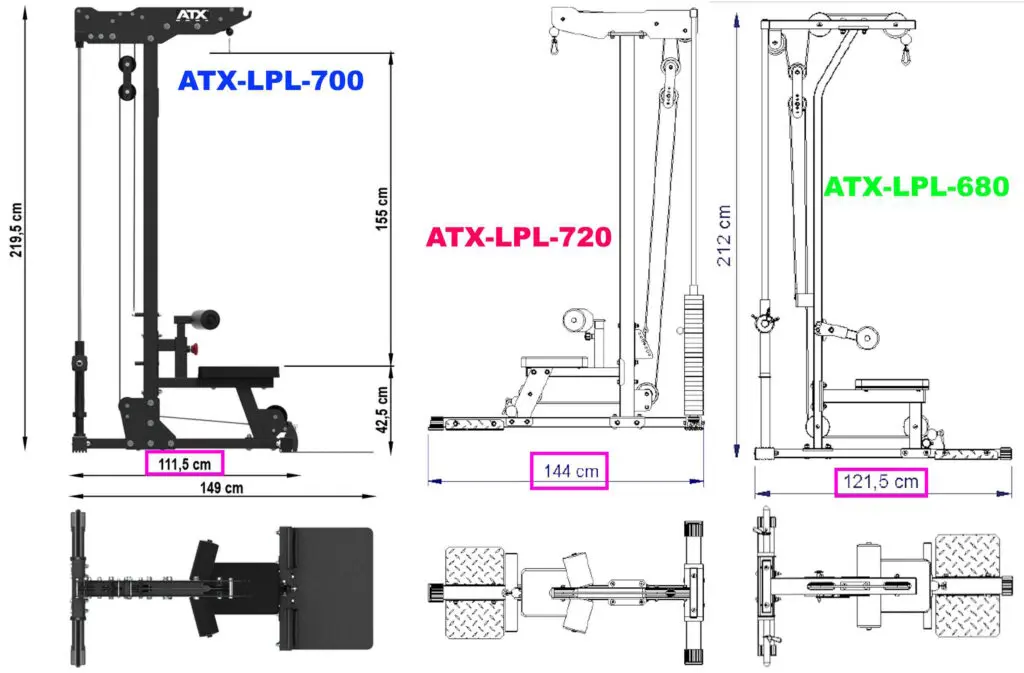
Finally one of the best design features is that it has a smaller footprint in terms of depth. When you exclude the footplate, the machine up to the foot rests is 112cm. That is a significant reduction compared to the LPL-720 which was 144cm. With the footplate the LPL-700 is 150cm, but in a gym or home environment the steel plate can be walked on without tripping or you can easily roll a bench over it. Thanks to clever engineering, the Lat Pulldown and Row Machine combo helps maximise use of small spaces.
This could be a massive bonus on a gym that is tight on space.
To wrap up, a good quality lat machine is an asset to any gym. You can just do so much on them. Before inflation they were great value. Now the new generation ATX Lat machines are more expensive. But in this breakdown I have hopefully shown you that you are getting some significant upgrades for the price increase. This machine is the strongest and smoothest lat machine so far. And it potentially could save some space, especially if you opt for something like a Lat Pulldown and Row Machine hybrid in your setup.