 SAM’S REVIEW: ATX® Pec Fly/Rear Delt Machine
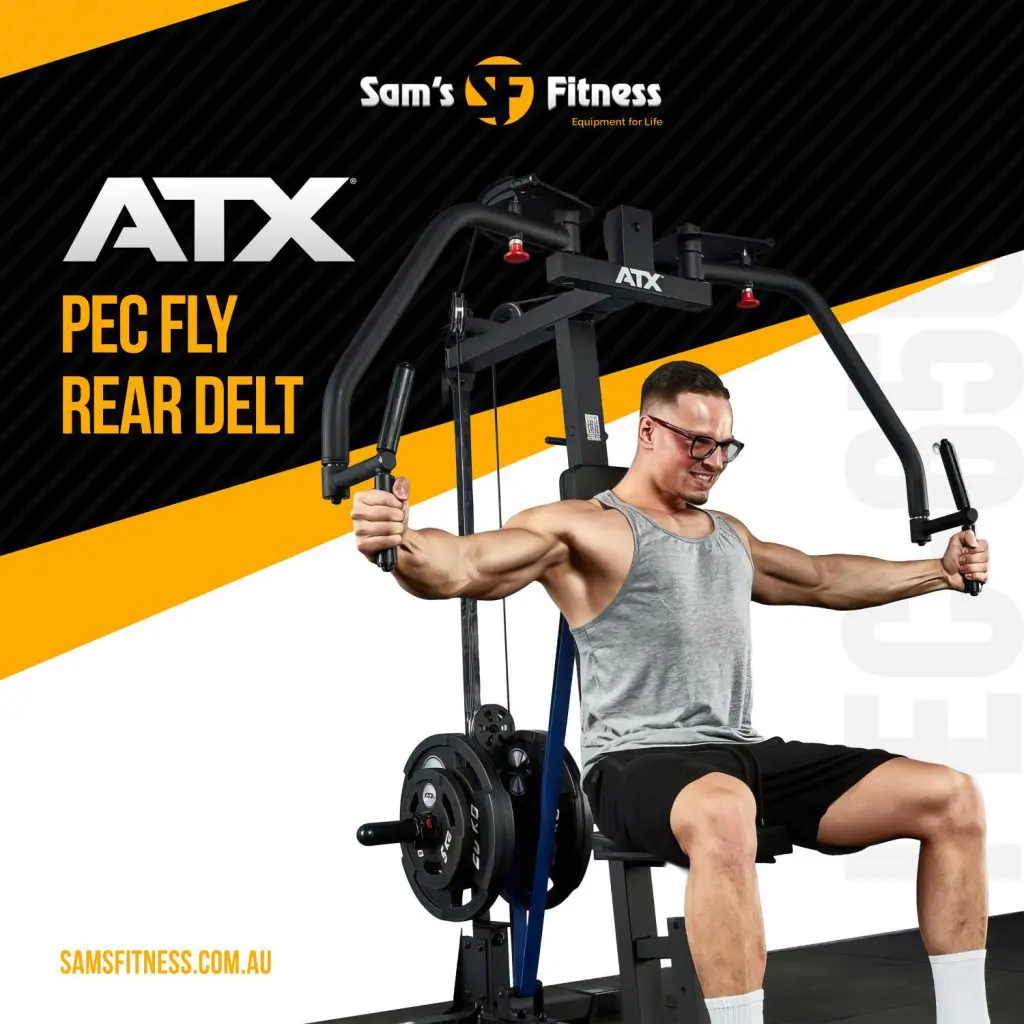
This ATX Pec Fly Rear Delt Machine review is for PTs or small gyms. This machine offers 2 quality exercises that can be performed by inexperienced trainers with decent form. And it takes up bugger all space.
It is also perfect for the garage gym enthusiast who has got the space and money to fit in a machine they don’t really need.
If you don’t have the space or money, stop reading now. You can do both these exercises with a pair of dumbbells or a resistance band. You just need to get tension on the rear delt or pec – that is all this machine does. So please stop reading…
SOMETIMES A MACHINE IS BETTER
I am not normally a machine guy. Maybe it is because I am getting older. Maybe because I am training my kids. But since getting this, I must stop myself from using this nearly every workout. It feels so good and is just easy to use.
For the garage gym enthusiasts, you have done a million presses and flys. You have used the bands and cables. So, this machine is a breath of fresh air. It really does change up your chest workout.
With rear delts, you can do this on back or shoulder day. The rear delt exercise is also a great way to warm up your shoulders for chest day.
For personal trainers it will give your clients two great accessory exercises in machine form. Inexperienced trainers will pick up the correct form quicker. This also makes it perfect if you have group resistance training.
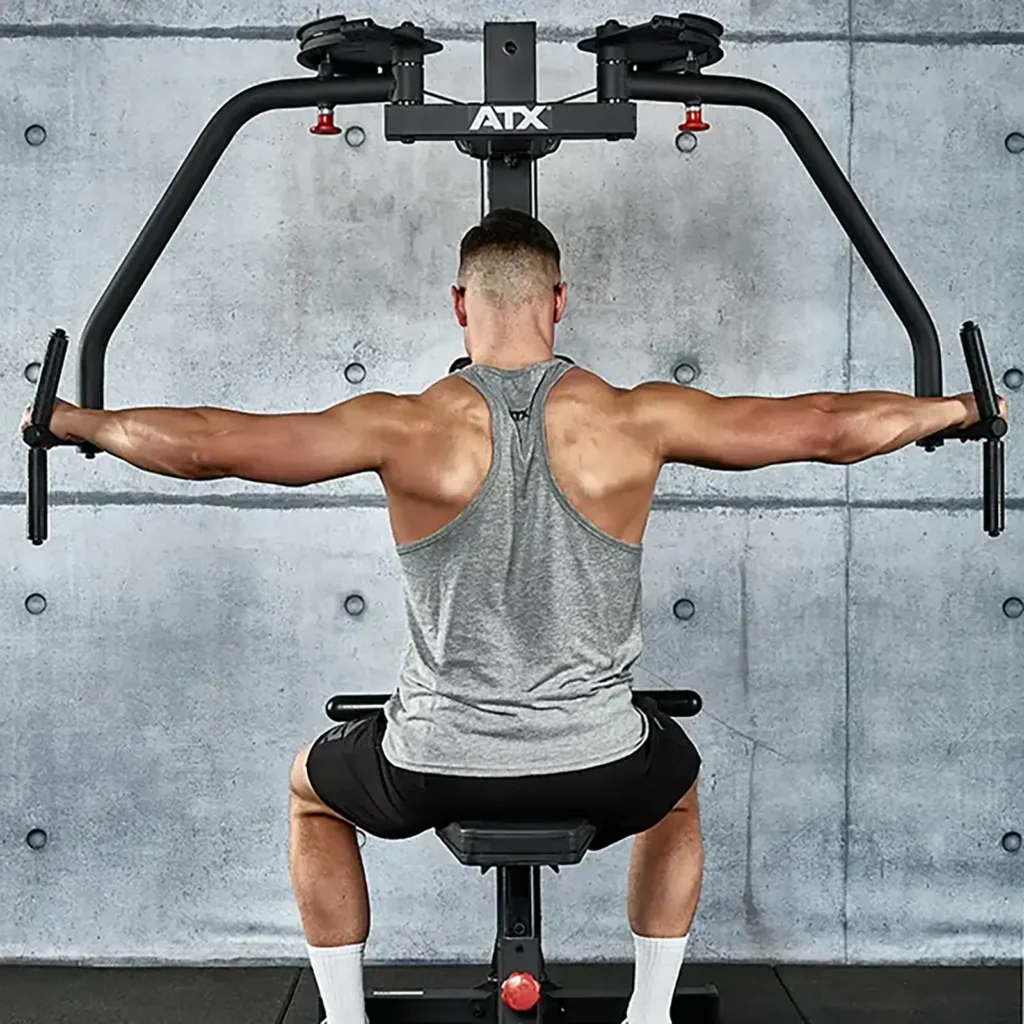
Build Breakdown
The design and build are amazing. It is so smooth – I will be highlighting all the features that contribute to this. The adjustability and movement make it dead easy to hit the desired muscle. Let’s have a look at the build:
The cam design is spot on, delivering consistent resistance through the entire range. The machine has 5 starting positions so every body shape can get full ROM.
The cams, arms and handles all pivot on bearings and the arms are adjusted with a commercial spring pin.
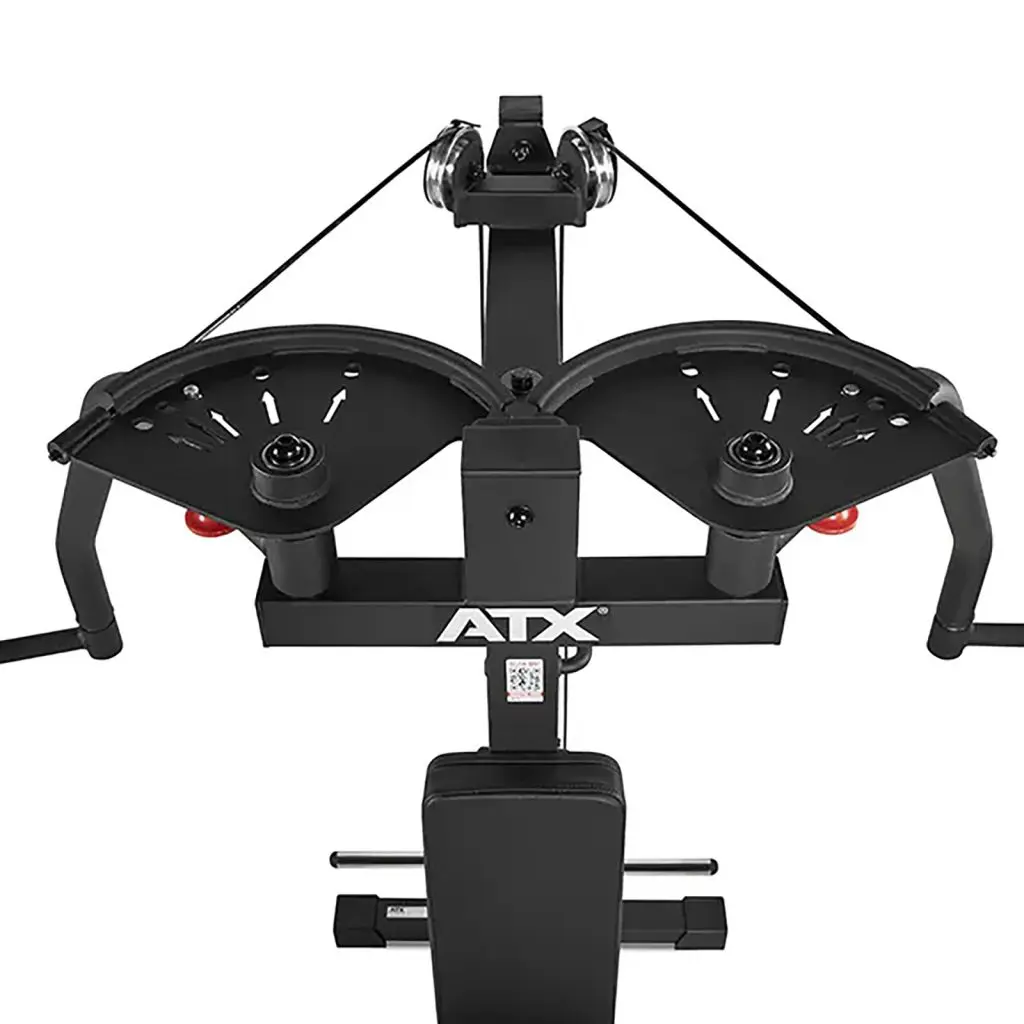
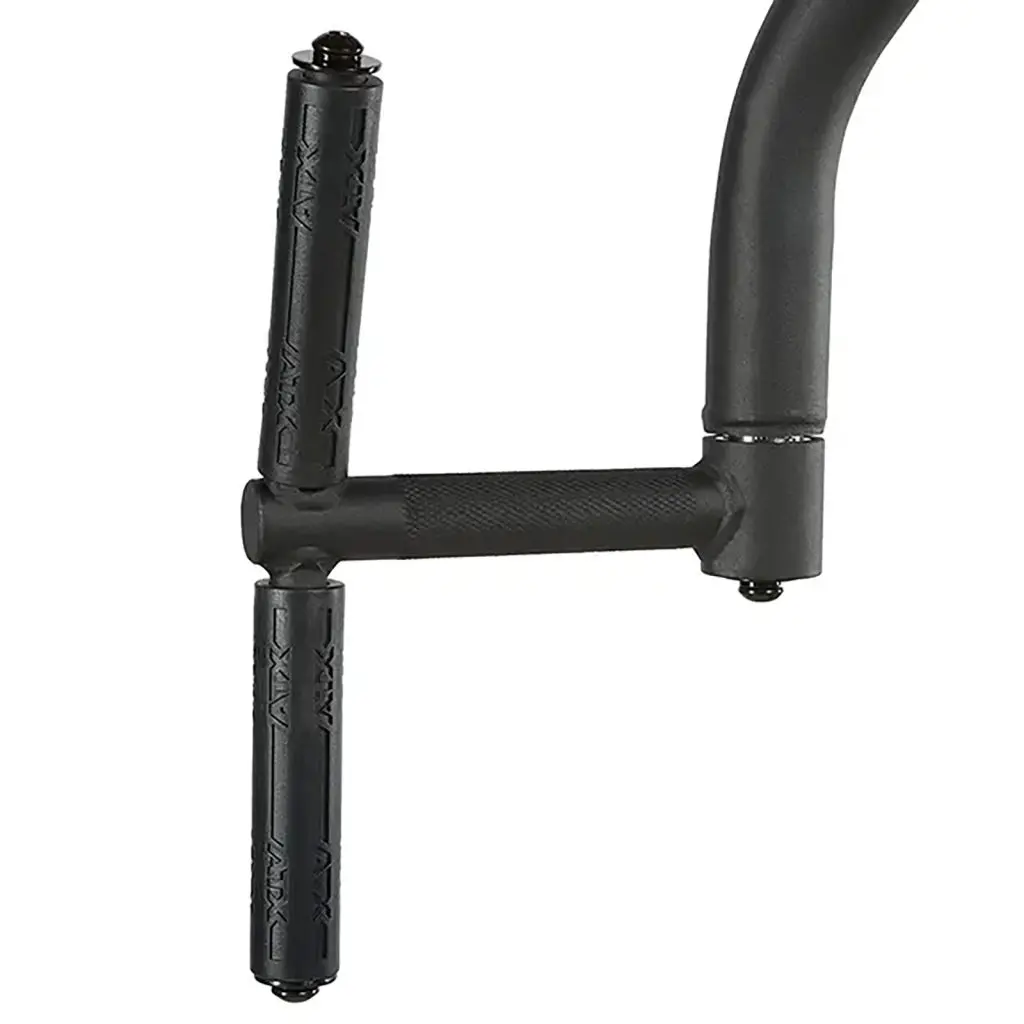
Now the handles are a great example of the level of detail in this machine. You have 3 positions, once again to get you into the perfect position.
The vertical and angled pair feature custom ATX rotating nylon grips. They not only look the part, but they rotate freely – adding to the smooth movement.
The horizontal grip is knurled. Although completely unnecessary, the knurling is better than on some barbells.
Another unnecessary feature are the aluminium pulleys. Complete overkill on a machine like this where you do not push loads of weight. But another ingredient used to make this machine so smooth.
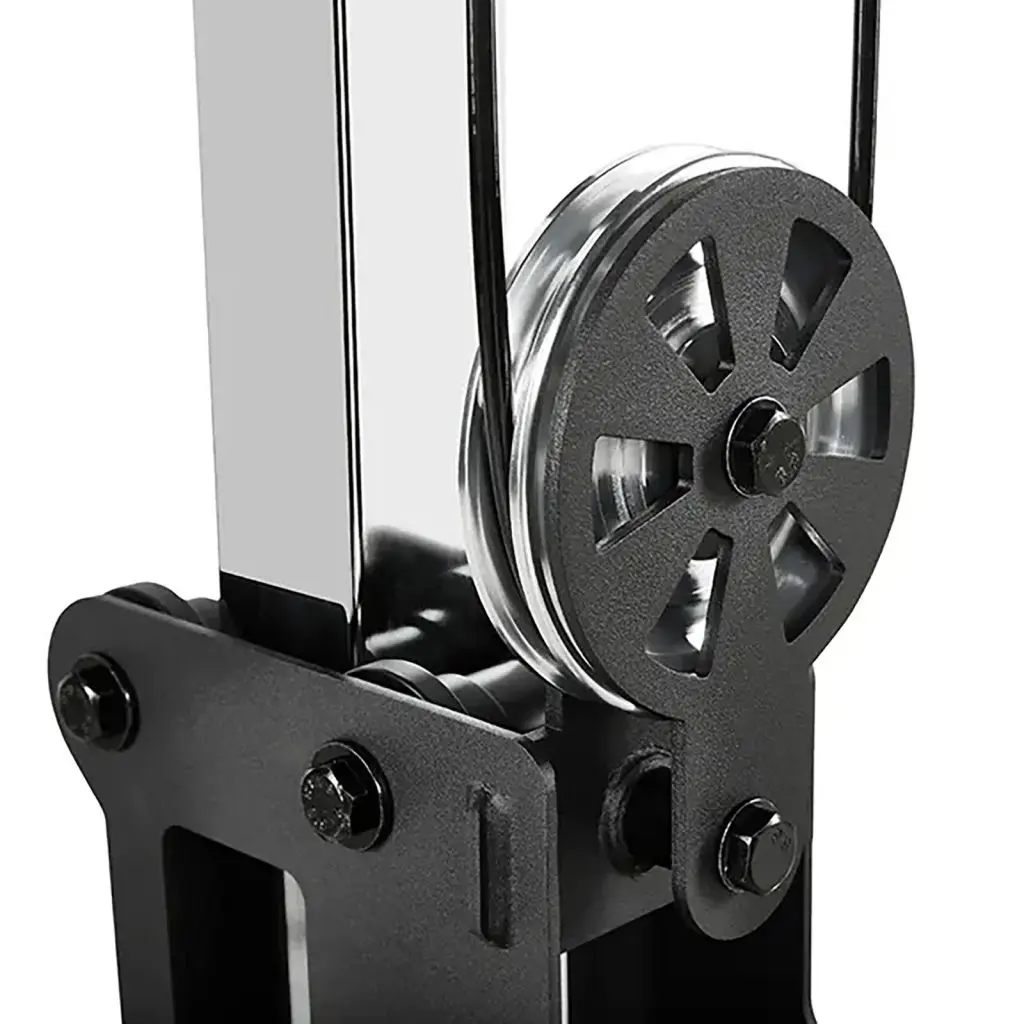
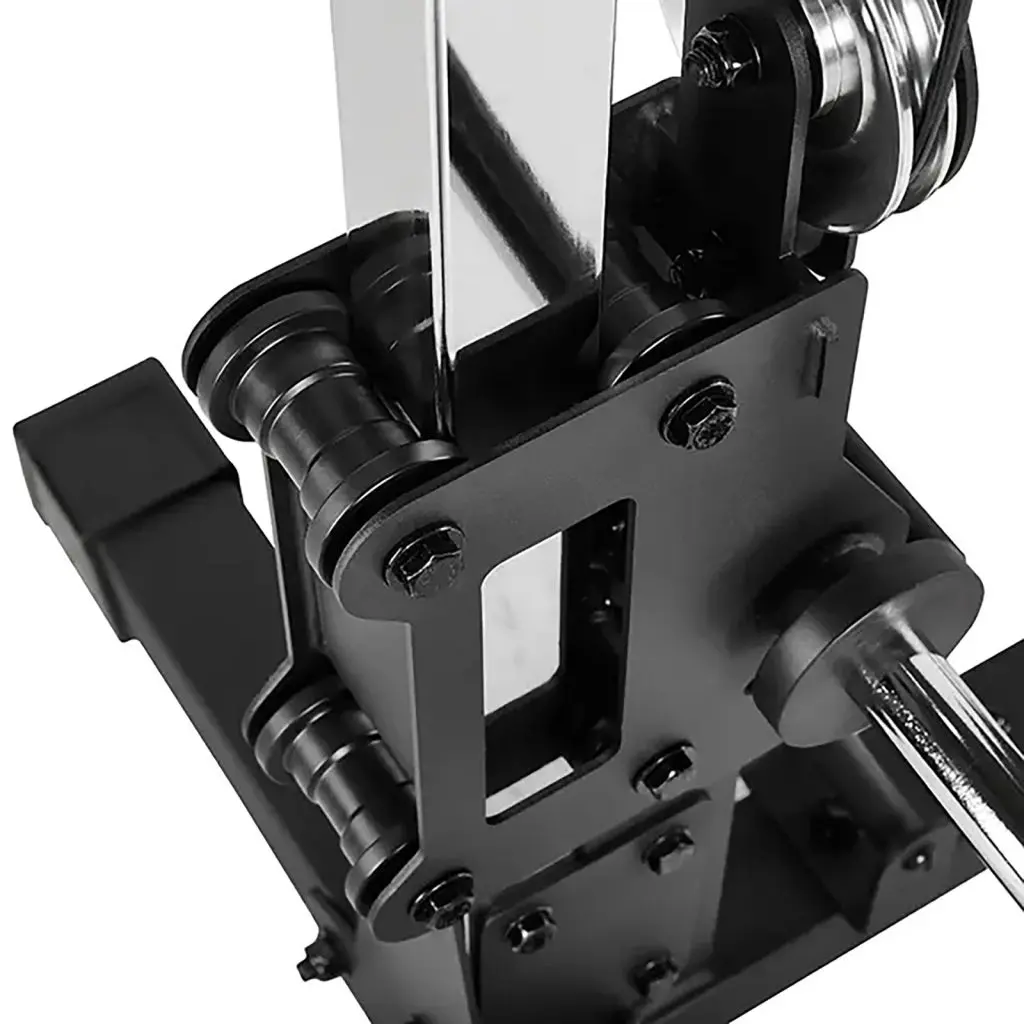
Upgraded Carriage
For me, the standout design feature is the weight carriage system. The quality of the chrome upright is outstanding. It looks great and adds to the smoothness.
The carriage rolls on 4 bearing driven nylon rollers. It is a real level up from traditional carriage designs that are on nylon bushes. There is zero drag.
This design also means that diameter of the weight plates is shifted inward which makes the footprint more compact versus a traditional weight carriage design.
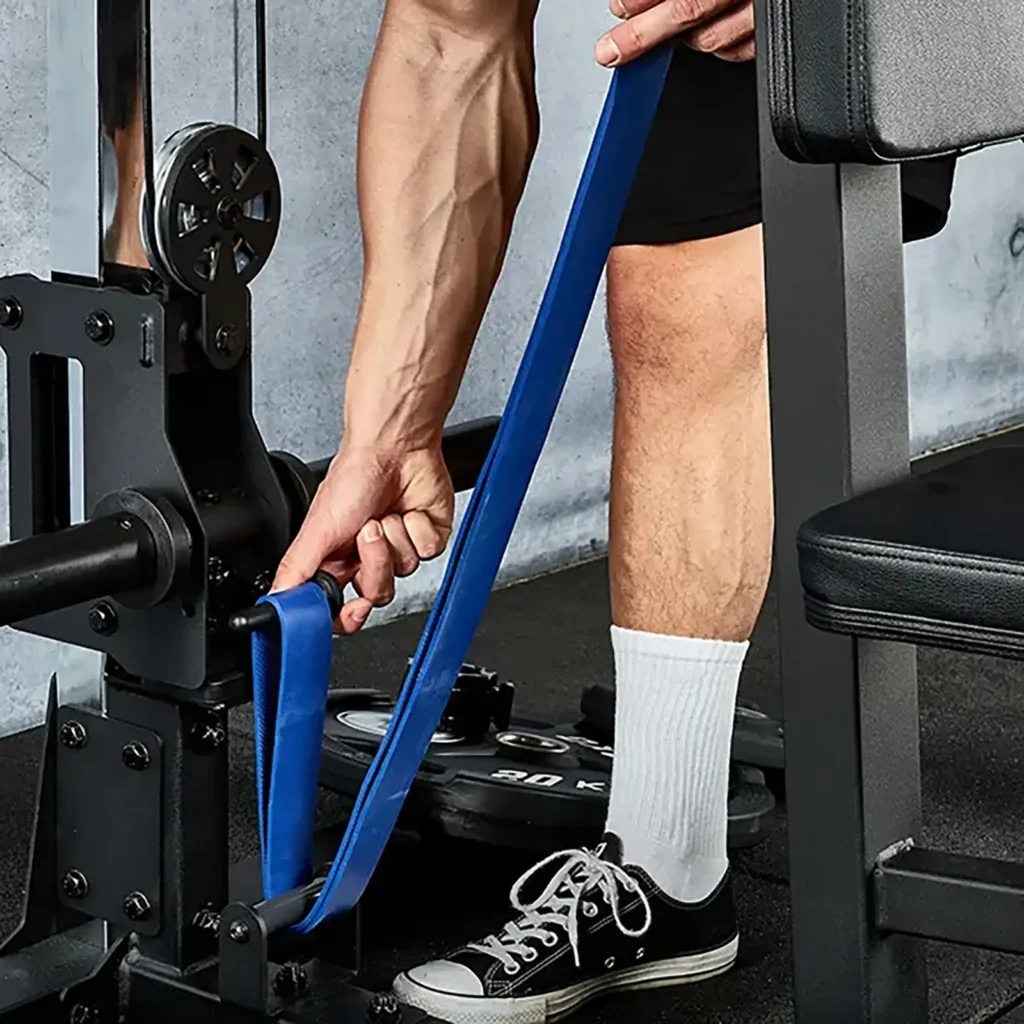
On the weight carriage you will also notice the resistance band attachment point. Another example of the detail in this machine. Not only is it a great addition, but they have also made it so the pivot peg has rolling sleeve. This is designed to reduce the wear and tear on your resistance band.
Adding a resistance band, even a relatively light one will give you extra tension at peak contraction. Personally, I haven’t bothered yet – even just holding the position at peak contraction does the trick.
That is the advantage of this machine over the equivalent dumbbell or cable exercise – it is so much easier to maintain that position on a machine under fatigue.
Finishing off, you get yourself into the correct height by adjusting the seat. It has 4 height positions and is adjusted with a commercial spring pin. The machine sits on custom ATX rubber feet.
Equipment Ranking
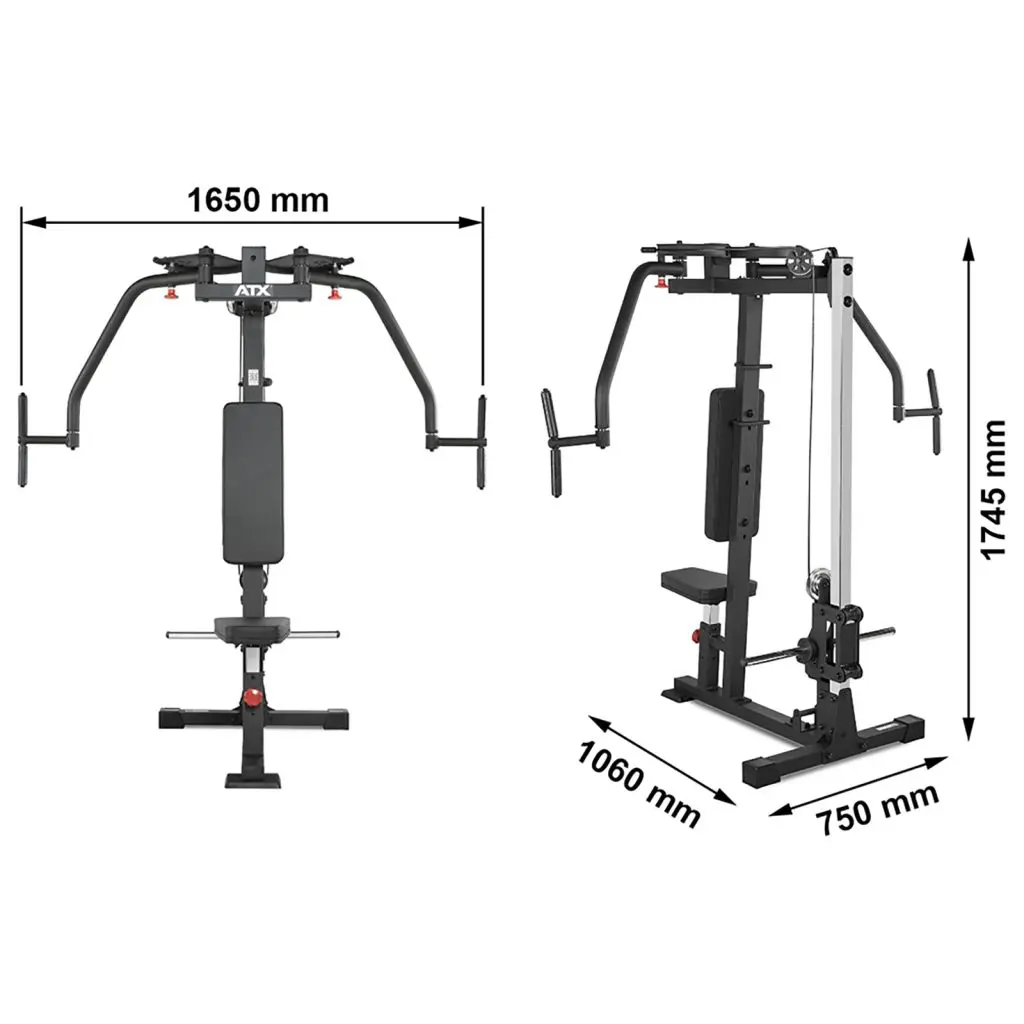
On the functionality scale, this machine only delivers two exercises which are both only small muscle groups. That is why this machine is by no means a must have.
But what makes this attractive to PTs, small gyms and serious home users is it’s compact footprint. When not in use it is only 106cms deep x 75cms wide. When in use the arms requires 165cm width. But if you lay your gym out right, you can put machines either side – like a t-bar row which is set low to the ground.
The Drawbacks
Plain and simple the price. This machine is expensive for two isolation exercises. I have seen absolute crap pec fly rear delt machines for the $500-$600 mark, but personally I would rather stick with dumbbell flys. Unfortunately, quality costs.
At this price some would expect a weight stack. A $1,500 pec fly rear delt with a weight stack is going to be like the crap $500 machine, but with a weight stack. It is that simple. Better quality generic brand machines with weight stacks go for around upward of $2,500, and generally take up more space.
This is one machine in my opinion that least benefits from a weight stack. You don’t use a lot of weight. Lee Priest reckons he would have maxed out at 40kgs in his prime. Plus, it is not the machine to go for PRs. You can fatigue the pec or rear delt just by controlling the rep or holding at peak contraction if you feel the weight is too light.
Out of all the machines we use, this machine would be one where we change the weight the least.
Summary
The best way to sum this machine is up in one of the German Pec Fly Rear Delt reviews. Top quality, excellent movement and comparable in their experience with Cybex and Gym80 machines.
Both these machines would be at least 3 times the price of this machine and take up more space. With the downside being changing plates.
This is what the ATX brand is about – giving you high end quality at a fraction of the price. There are some drawbacks, but for their target market – small gyms, PTs and serious home trainers – this machine is perfect.